Two Spanish intelligence officers accused of extracting nearly 300 classified files from the country’s National Intelligence Centre (CNI) and allegedly making them available to US intelligence services are facing the prospect of a historic trial after a Madrid investigating court completed its inquiry into the case.
The investigation, which began with the arrests of the two officers in September 2023, has been concluded and the case transferred to the Madrid Provincial Court, according to legal sources cited by the Spanish newspaper EL PAÍS. The officers face potential charges of treason and the discovery and disclosure of secrets, although both have consistently denied the allegations. The proceedings could become only the second case of its kind in Spain’s recent history.
The principal suspect, identified as agent 7691, was a 58-year-old captain in the Spanish Navy, equivalent in rank to a lieutenant colonel in the army, who had spent more than 30 years working for the CNI. He previously headed its Russia division, overseeing approximately 24 personnel, and was regarded as an experienced officer. His career included a posting at the United Nations headquarters in New York and employment with a US security company during the Covid-19 pandemic, after taking leave from the intelligence service.
Investigators suspect that his contacts in the United States eventually led to collaboration with American intelligence services during the administration of President Joe Biden. The officer, however, has denied any cooperation with foreign powers, maintaining that any encounters he may have had with CIA personnel or intelligence representatives from other countries were coincidental and unrelated to the transfer of information.
The second suspect held a lower-ranking operational position, dealing with sources and intelligence linked more closely to the Middle East. Investigators believe the two men were close friends and that the former head of the Russia division persuaded his colleague to assist in extracting documents from the CNI. The alleged contacts with foreign intelligence services have been attributed primarily to the senior officer.
Both men were initially remanded in custody. Agent 7691 spent 15 months in prison, first at Estremera in Madrid and subsequently at a military prison at his own request. His colleague was detained for less than two months before being released. They had jointly purchased a property in Brazil’s Ceará state, which they described during the investigation as an investment. Prosecutors opposed their release on the grounds that the property increased the risk of flight. CNI director Esperanza Casteleiro had requested their arrest, citing concerns that they had received training in evasion, concealment and the destruction of improperly obtained information.
The investigation uncovered 288 files allegedly extracted without authorisation. According to the CNI’s assessment, the material included identities of intelligence sources operating in sensitive environments, internal terminology, operational information, overseas deployments, organisational details, emails and vacancies. It also contained information concerning Russian individuals connected to foreign diplomatic missions.
The alleged disclosures affected intelligence work relating to the European Union, NATO, China, Venezuela, Central America, Morocco and the Strait of Gibraltar. The CNI concluded that years of intelligence work on certain counter-intelligence targets had been compromised and that the identities of several human sources were exposed, potentially placing their lives in danger.
The case was uncovered through internal security controls introduced following an earlier espionage scandal involving former intelligence officer Roberto Flórez. Audits in 2023 revealed that the junior suspect had accessed information outside his authorised responsibilities. Further examination identified similar unauthorised access by the senior officer.
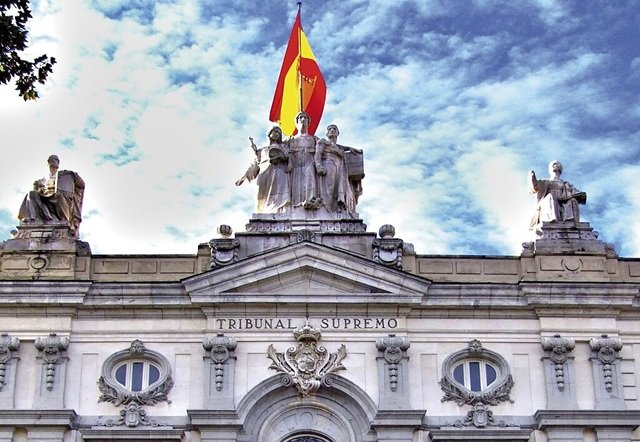
Flórez, who had served in the former Centre for Defence Information (CESID) and later the CNI, was convicted of treason after investigators discovered classified organisational documents and correspondence offering his services to a Russian diplomat. His original 12-year sentence was reduced to nine years by the Supreme Court, making him the only Spanish intelligence officer previously convicted of treason.
The current defendants’ lawyers maintain that the prosecution has not established that classified information was illegally extracted or transferred to another country. The defence of agent 7691 argues that the files found on his devices did not belong to the two highest classification categories, secret and reserved, and points to the routine sharing of CNI documents through WhatsApp groups among operational teams. Lawyers also say investigators have found no evidence of payments from foreign intelligence services.
The prosecution and the State Attorney’s Office are expected to submit their formal charges. Legal sources cited by EL PAÍS have not ruled out the possibility of an agreement with one of the defendants before the trial.
The affair also prompted a diplomatic confrontation between Madrid and Washington. Defence Minister Margarita Robles summoned US Ambassador Julissa Reynoso during the Biden administration to demand explanations over what Spain regarded as an unprecedented hostile operation between allied countries. At least two US intelligence officers stationed at the American Embassy in Madrid and allegedly involved in recruiting the CNI agents were subsequently discreetly expelled.