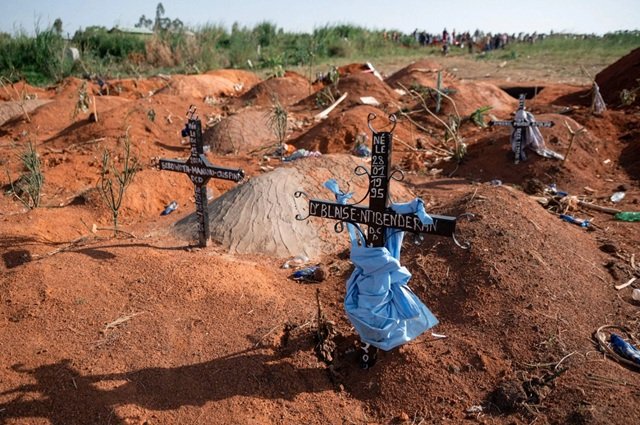
The Ebola outbreak in the Democratic Republic of the Congo remains uncontrolled six months after it was declared, with more than 11,000 confirmed cases and widespread failures in the emergency response, medical charity Médecins Sans Frontières (MSF) said on Thursday.
The outbreak, caused by the rare Bundibugyo species of the virus, was declared in mid-May and has become the second-worst Ebola epidemic on record. There are currently no approved treatments or vaccines for this strain, while inadequate case detection and continuing transmission in healthcare facilities are complicating containment efforts.
MSF warned that many infections were probably going undetected and that essential assistance was failing to reach affected communities. The organisation cited untrained and unpaid healthcare workers, ambulances without fuel, insufficient surveillance teams and shortages of supplies needed to manage suspected cases safely.
“Despite the vast amounts of money provided for the response, many frontline responders are left trying to contain the outbreak with empty hands and empty pockets,” said Dr Javid Abdelmoneim, MSF’s international president.
“Our teams are often left speechless by the dysfunctions they witness in many areas. Six months into the response, this situation is simply unacceptable,” he said.
MSF called on the Congolese government and United Nations agencies, including the World Health Organization (WHO), to ensure that funding already mobilised for the emergency was converted into practical support for frontline medical teams. The Congolese government did not immediately respond to requests for comment.
The scale of undetected transmission was also highlighted by British epidemiologist Neil Ferguson at a separate briefing on Wednesday. Ferguson, director of public health at Imperial College London, said his team estimated that only about half of all infections were being identified.
“Throughout the outbreak, we think we’re probably only detecting about half of cases which are occurring,” he said.
His team estimated that between 2,000 and 3,000 people were currently infected with Ebola in the country. Ferguson warned that continued gaps in detection could allow transmission to persist for another year and that the outbreak could eventually surpass the 2014-2016 West African epidemic, which remains the largest recorded, with more than 28,600 cases and over 11,000 deaths.
MSF said conditions varied considerably across the affected regions, some of which are experiencing armed conflict. In Ituri province, only 9 per cent of Ebola patients treated by the organisation were identified as known contacts of previously confirmed cases, indicating significant gaps in the tracing of infection chains.
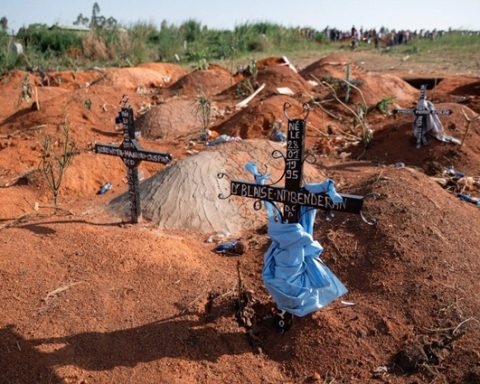
The organisation also reported that nearly two-thirds of reported Ebola-related deaths over the previous month had occurred in communities rather than treatment centres. This pointed to continuing difficulties in identifying and bringing infected people into appropriate medical care.
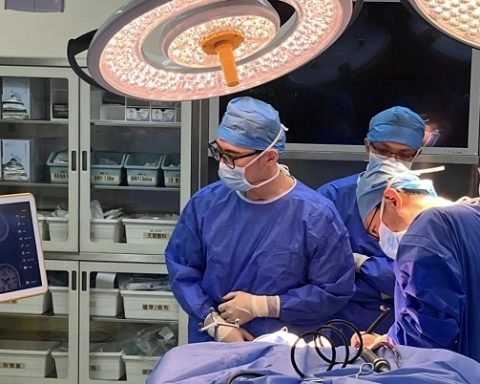
Healthcare facilities themselves were also contributing to transmission in some areas. MSF cited the Beni health zone in North Kivu, where almost three-quarters of Ebola patients were believed to have contracted the virus in healthcare settings. Shortages of basic supplies, including water and chlorine, were increasing the risks in medical facilities.
Responding to MSF’s criticisms, the WHO referred to remarks by its director-general, Tedros Adhanom Ghebreyesus, who acknowledged delays in paying healthcare workers. He said the organisation was working with Congolese authorities, the Africa Centres for Disease Control and Prevention and other partners to strengthen the response.
Tedros also identified insecurity, particularly attacks on healthcare facilities, as one of the biggest obstacles to containing the outbreak. An attack in Cantine-Aloya town in North Kivu province last week killed 66 civilians, including three health workers, he said, twice the initial death toll reported by local authorities.
The attack also resulted in more than 1,000 contacts being lost to follow-up, while three confirmed Ebola patients remained unaccounted for.