The ongoing U.S. and Israeli campaign against Iran has showcased the dramatic role of artificial intelligence in modern warfare. Analysts say AI has accelerated the planning, targeting, and execution of strikes at a speed and precision previously unimaginable, reshaping how conflicts are fought. By processing vast troves of intelligence, managing supply chains, and selecting the optimal weapons for each mission, AI has become a force multiplier for both militaries.
Before the recent missile strikes that killed Iran’s Supreme Leader Ali Khamenei and triggered the current regional war, Israeli intelligence had spent years monitoring Tehran through hacked traffic cameras and intercepted communications, increasingly relying on AI to analyze and prioritize actionable information. Similar approaches have been employed by the U.S., drawing lessons from previous conflicts, including the Ukraine war, where AI-assisted targeting and planning have been integral to operations.
Defense officials note that AI’s main battlefield contribution remains behind the scenes. Most military personnel—up to 90%—work in support roles, and AI has proven invaluable for intelligence, mission planning, and logistics. The technology, using tools akin to ChatGPT but specialized for warfare, can sift through enormous datasets, identify specific vehicles or missile launchers, summarize communications, and even provide alerts for sensitive events near strategic sites. By dramatically increasing the portion of intelligence analysts’ workloads that can be reviewed, AI has allowed militaries to conduct operations with far fewer personnel while maintaining or improving accuracy.
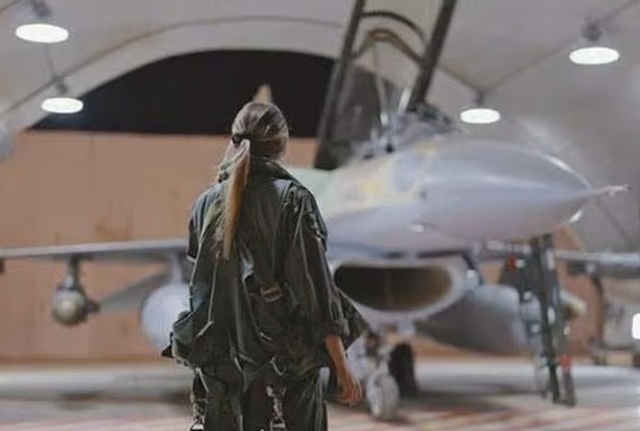
Recent operations highlight AI’s tactical impact. The U.S. reports striking over 3,000 targets in Iran using F-22 and B-2 aircraft, drones, and naval-launched weapons. AI has aided mission coordination, optimized aircraft deployment, and accelerated assessments of battle damage through sensor fusion, combining imagery, radar, heat signatures, and other data streams to refine target lists. Exercises like the U.S. Army’s Scarlet Dragon have shown AI enabling efficiency unmatched in prior conflicts, reducing staffing needs from thousands to mere dozens. NATO forces have similarly used AI to track Russia’s shadow fleet, demonstrating its growing relevance in maritime operations.
However, military experts caution that AI cannot replace human judgment. The chaotic nature of war, gaps in available data, and risks of overreliance on AI-generated recommendations present significant challenges. Analysts warn that the speed and complexity enabled by AI must be matched with rigorous safeguards, training, and oversight to prevent errors, including strikes on civilian targets. The Pentagon and allied militaries continue to wrestle with integrating AI effectively while ensuring ethical and operational control, highlighting both the transformative potential and the perils of autonomous decision-making in conflict.
As the Iran conflict evolves, AI is shaping the future of warfare, turning what once took weeks of planning into operations executed in days, yet leaving critical questions about human oversight, accountability, and the limits of machine-driven strategy.