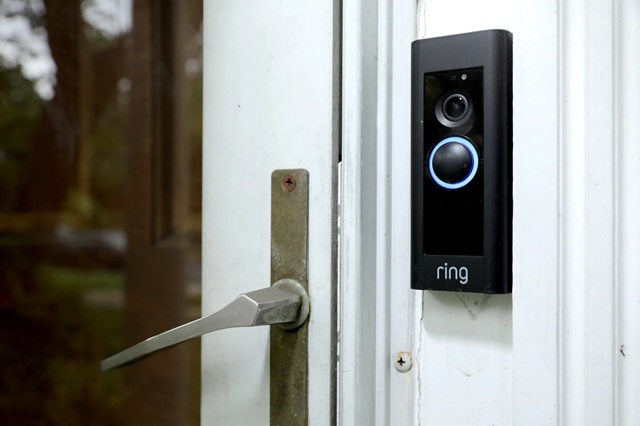
Amazon’s Ring is introducing facial recognition for the first time on its home security doorbells and cameras, allowing users to identify friends, family, and neighbors. The feature, called “Familiar Faces,” will be optional for device owners and available starting in December, according to The Washington Post.
While the technology aims to alert users when recognized individuals approach their homes, privacy advocates warn it could affect anyone who passes within range of a Ring device without consent. “They are not consenting to this,” said Calli Schroeder, senior counsel at the Electronic Privacy Information Center.
Ring spokeswoman Emma Daniels said the feature is designed to empower users to comply with relevant laws and use the technology responsibly. “Owners choose whether to enable the feature,” Daniels told The Washington Post, noting that the system allows users to tag recognized faces in the app by name or label, such as “neighbor.”
Facial recognition works by capturing unique facial contours, known as faceprints, and comparing them against a user’s database. Experts warn, however, that widespread deployment in residential areas carries risks of unauthorized use, potential hacking, and misuse by employees or law enforcement. Albert Fox Cahn, executive director of the Surveillance Technology Oversight Project, highlighted the ethical concerns of capturing images of people who are unaware their faces are being scanned.
The technology will be restricted in states like Illinois, Texas, and Portland, Oregon, due to privacy laws requiring consent for biometric data collection. Nevertheless, critics argue that for most residential situations, simply checking a live video feed or peeking outside could be just as effective as facial recognition.
Ring has faced scrutiny in the past for security lapses, including allegations that employees and contractors accessed private footage, leading to a 2023 settlement with the Federal Trade Commission. The introduction of facial recognition represents a shift from earlier caution among tech companies, who had previously limited such tools over privacy concerns.
Privacy advocates like Schroeder note that increasing AI capabilities and public demand for security are driving renewed interest in facial recognition. “It feels like the social dynamics have really swung back in the other direction,” she said, emphasizing the growing debate over convenience versus privacy.