Australia will lock in A$20 billion ($13.3 billion) in savings in its mid-year budget update to be released Wednesday, as the government moves to contain mounting spending pressures, Treasurer Jim Chalmers said. He stressed the update would not amount to a mini budget, but would instead underline the government’s commitment to fiscal responsibility, delivery and restraint amid a more challenging economic backdrop.
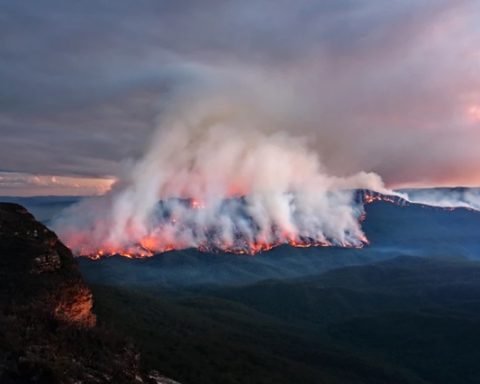
The budget is facing roughly A$35 billion in additional costs, or about A$25 billion once the goods-and-services tax is excluded, driven by natural disasters, higher age pension payments, veterans’ support and growing military retirement expenses. Chalmers said he and Finance Minister Katy Gallagher had worked to absorb those pressures without allowing the overall budget position to deteriorate, pointing to a cumulative A$114 billion in savings and reprioritisations identified across seven budget updates since 2022.
The update will confirm that electricity bill rebates will not be extended, with the government maintaining the measure was never intended to be permanent. Instead, the focus will shift toward longer-term cost-of-living support delivered through the tax system, alongside continued investment in housing, mental health services, infrastructure and skills programs, including a commitment to build 100,000 new homes for first home buyers.
Chalmers also said new measures aimed at curbing supermarket price gouging and protecting access to cash will take effect next year. Under the new rules, major grocery chains and fuel retailers will be required to accept cash payments, a move the government says is designed to ensure Australians who want or need to use cash can continue to do so.