Bangladesh has spent an estimated US$4.1 billion in additional costs since late February to cushion the impact of a global energy crisis, placing mounting pressure on Prime Minister Tarique Rahman’s plans to reform the economy and transform the country into a US$1 trillion economy within a decade.
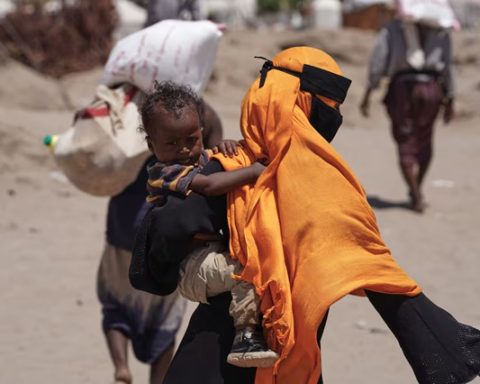
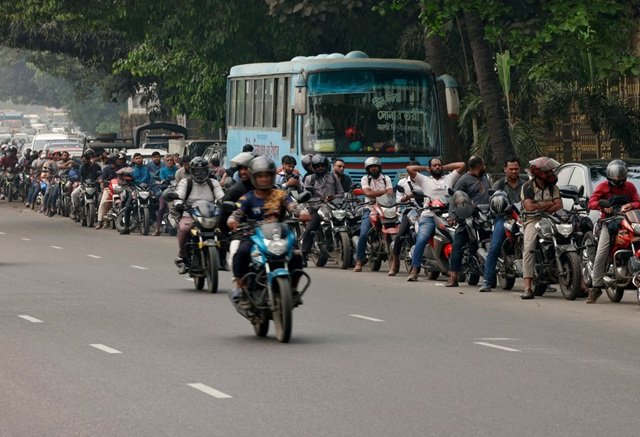
The crisis began just 11 days after Rahman took office on February 17, when the United States and Israel attacked Iran, driving up oil and gas prices. Bangladesh, which imported about 65 per cent of its energy requirements last year, has faced power cuts, lengthy queues at petrol stations and rising costs for transport, food and other essentials.
“It hit our citizens hard,” Rashed Al Mahmud Titumir, an adviser to Rahman, told This Week in Asia on the sidelines of the International Monetary Fund and World Bank summit in Bangkok. “Our estimates are that from late February to [now] we have spent an estimated US$4.1 billion in additional costs.”
The government is confronting the energy shock while attempting to address longstanding economic problems inherited from the previous administration, including troubled banks, indebted businesses and weakened public services. Titumir said the country lacked sustainable energy security infrastructure because of failures by the previous government, limiting its ability to offset rising fuel costs through renewable energy.
“The previous government didn’t build any sustainable energy security infrastructure,” he said.
The World Bank and Asian Development Bank have provided hundreds of millions of dollars in loans to help Bangladesh meet its energy costs. The IMF has disbursed nearly US$3.6 billion since 2023, and Rahman’s government hopes to renegotiate the existing loan arrangement during meetings in Bangkok this week.
The financial strain coincides with a deterioration in the country’s economic outlook. The IMF lowered its growth projection for Bangladesh in 2027 to 3.2 per cent, compared with 3.6 per cent for this year. It also forecast inflation to rise to 10.9 per cent next year from 8.7 per cent in 2026, adding to pressure on households already struggling with higher prices.
Bangladesh’s government argued that the projections did not fully account for the effects of its structural reforms, which include efforts to address bad loans, indebted companies and an underfunded welfare system.
“Unfortunately the people are suffering for the misdeeds of the previous regime,” Titumir said. He added that the government had already brought five banks under state ownership following concerns about potential bank runs, which he said had since subsided.
“We want to bring discipline into the system [and] then provide finance for investment, finance for expansion,” he said.
Rahman, 57, came to power at the head of the Bangladesh National Party, which secured a two-thirds majority in February’s election. He campaigned on sweeping economic and social reforms after an interim administration led by Nobel laureate Muhammad Yunus guided the country through the upheaval following the 2024 removal of former prime minister Sheikh Hasina.
Critics of Hasina’s administration accused it of allowing politically connected figures to exploit state banks, accumulating bad loans and weakening healthcare and education while filling the civil service with party loyalists.
Titumur said future growth would depend on foreign investment in manufacturing, infrastructure, solar energy, deep-sea ports and special economic zones. Among the projects is the US$1.3 billion Chinese-backed Anwara development in Chattogram, southern Bangladesh. The country also hopes to capitalise on its young workforce and established manufacturing base, particularly its garment industry, as companies seek lower-cost production locations.
At the Bangkok summit, IMF managing director Kristalina Georgieva warned that energy-importing, low-income countries were bearing the heaviest costs of the crisis while receiving fewer benefits from investment in artificial intelligence and related industries.
“First protect your buffers, protect your fiscal space,” she said, urging governments to provide “temporary and targeted support to the most vulnerable”.