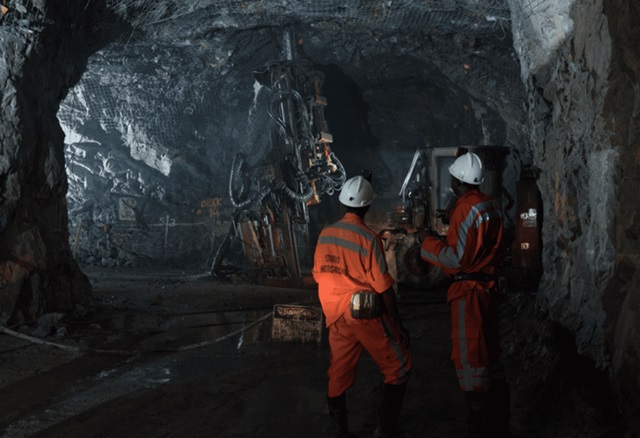
A Malian court has taken the unprecedented step of appointing administrators to operate the Loulo-Gounkoto gold mine, intensifying an already heated dispute between Barrick Gold and Mali’s military-led government, according to a report by the Financial Times.
The decision marks a dramatic escalation in tensions. Barrick, the Canadian mining giant, halted operations at the mine in January after the government seized a shipment of gold and transferred it to a custodial bank. Despite holding a 20% stake in the site, the Malian government claimed it was within its rights under a controversial new mining law enacted in 2023 that allows the state to boost its ownership in mining ventures up to 35%.
The court ruling in Bamako establishes an interim board, to be led by former Malian health minister Soumana Makadji, which will assume operational control of the mine for at least six months. The Loulo-Gounkoto mine, located in western Mali, was Barrick’s second most productive gold asset last year.
In response to the move, Barrick issued a statement affirming that while its subsidiaries remain the legal owners of the asset, operational control now rests with court-appointed administrators. The company strongly criticized the government’s actions, calling the export blockade and gold seizure “unjustified,” and warned that the measures threaten the long-term viability of its operations in the country.
“These developments occurred despite Barrick’s ongoing efforts to reach a constructive and sustainable resolution,” the company said, adding that it had made “a number of good-faith concessions in the spirit of partnership.”
Barrick has taken its grievances to international arbitration, filing a case with the World Bank’s International Centre for Settlement of Investment Disputes (ICSID). In May, the company requested “provisional measures” from the tribunal to prevent further state action until a resolution could be reached.
Tensions have been building since 2023 when Mali’s ruling junta, led by Colonel Assimi Goïta, overhauled the country’s mining code to secure greater revenue and control over its natural resources. This came after the military seized power in a 2020 coup, ousting Mali’s democratically elected government.
Barrick CEO Mark Bristow had previously voiced cautious optimism that a settlement was within reach. In February, a tentative agreement was reportedly close when Barrick offered $438 million in payments to secure the release of detained executives and reclaim seized gold. But the deal ultimately fell apart. A senior government negotiator later told the Financial Times that Barrick had signed the “wrong agreement,” and warned the state could “take control of the mines” if production didn’t resume.
In April, Malian authorities shut down Barrick’s Bamako headquarters and threatened a full asset seizure, further deepening the crisis. While Mali’s government declined to comment, the recent court ruling signals it is prepared to bypass the company entirely to keep the mine running.
Barrick maintains it is still open to dialogue, but insists it “cannot accept terms that would compromise the legal integrity” of its operations.
The high-stakes standoff highlights the growing resource nationalism across Africa’s mining sector, as governments seek a larger share of mineral wealth — often at the expense of foreign investors. With Mali sitting on some of West Africa’s most lucrative gold reserves, the unfolding legal and political battle over Loulo-Gounkoto is now being watched closely across the global mining industry.