According to the report by Financial Times, the Biden administration has unveiled a nearly $6 billion aid package to Ukraine, reinforcing its military and economic support ahead of President-elect Donald Trump’s inauguration next month. This surge in assistance is seen as part of the US’s efforts to provide Kyiv with vital resources before a potential shift in US policy under the new administration.
The new aid package includes $2.5 billion in military assistance and $3.4 billion in direct economic support. The military component of the package will supply Ukraine with vital ammunition and military hardware to strengthen its defenses as the conflict with Russia enters a critical phase. The military aid includes $1.25 billion in assistance from US weapons and ammunition stockpiles, and an additional $1.22 billion from the Ukraine Security Assistance Initiative (USAI), a program that allows Ukraine to directly purchase weapons from the US defense industry.
In his announcement, President Joe Biden emphasized the US’s commitment to supporting Ukraine in its ongoing war with Russia, saying, “The United States will continue to work relentlessly to strengthen Ukraine’s position in this war over the remainder of my time in office.” Among the supplies being sent are hundreds of thousands of artillery rounds, thousands of rockets, and armored vehicles. This package aims to bolster Ukraine’s military capabilities, particularly as it prepares for the harsh winter months and the continuation of Russian assaults on its infrastructure.
In addition to the military aid, the US Treasury Department will allocate $3.4 billion in direct economic assistance, completing a previous allocation made by Congress earlier in 2024. Treasury Secretary Janet Yellen highlighted the importance of this support, stating, “Stopping Russia’s illegal invasion will help uphold a global democratic, rules-based order that advances American security and economic interests, and it will send an unmistakable message to autocrats and would-be aggressors around the world that they will face unshakeable resolve.”
This financial assistance is essential to Ukraine’s ability to maintain government functions, pay salaries, and sustain critical infrastructure in the face of ongoing war, particularly as Russia escalates attacks on Ukraine’s energy and utility systems.
The timing of this additional aid comes amidst increasing uncertainty regarding US policy toward Ukraine under President-elect Donald Trump. Trump’s skepticism of NATO and his public statements about seeking a quicker resolution to the conflict have raised concerns about the future of US support for Ukraine. Trump’s team has indicated that while military aid to Ukraine will continue, it would be contingent on NATO members increasing their defense spending to 5% of GDP—well above the current NATO target of 2%. At present, only 23 out of NATO’s 32 members meet the 2% target, and none have met Trump’s proposed 5% target.
This shift in rhetoric has led to some trepidation among European officials, who worry about the US’s long-term commitment to Ukraine’s defense if Trump follows through on his promise to prioritize NATO defense spending and place more pressure on European countries to contribute more.
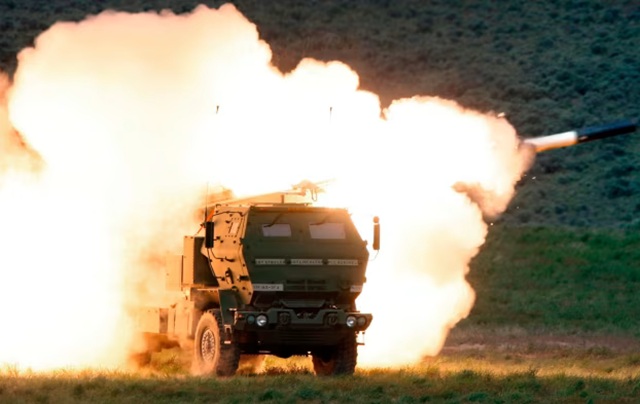
Ukraine is currently facing an escalating military threat, particularly in the form of Russian attacks on its energy infrastructure. A Christmas Day assault left more than half a million Ukrainians without heat, water, and electricity, underscoring the vulnerability of Ukraine’s civilian infrastructure as winter sets in. In response, the new aid package includes critical resources such as ammunition for the High Mobility Artillery Rocket Systems (HIMARS), air defense munitions to counter drone and missile attacks, and TOW anti-tank missiles—key components needed to defend Ukraine’s cities and energy infrastructure against further Russian strikes.
This latest round of US aid to Ukraine represents a concerted effort to provide Kyiv with the resources it needs to continue its resistance against Russian aggression, but it also marks a crucial moment in the broader geopolitical context. With President Trump set to take office in just a few weeks, questions loom about the future direction of US foreign policy and its support for Ukraine. The Biden administration’s final efforts to assist Ukraine before Trump’s inauguration could shape the dynamics of the war and US relations with Europe and Russia in the months ahead.