


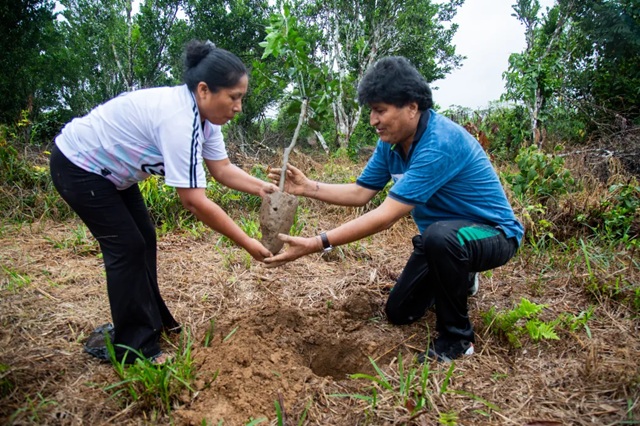
As tropical rain drenched his orange groves in Chapare, former Bolivian president Evo Morales planted a spade into the ground and stamped it hard, a symbolic gesture in the stronghold where he has taken refuge. Morales, ousted six years ago over allegations of electoral fraud and facing ongoing accusations of corruption and human trafficking — all of which he denies — now watches as Bolivia prepares to turn away from the leftist politics he once dominated.
On October 19, two right-of-centre candidates will face off in the second round of presidential elections, marking the potential end of decades of socialist rule. Voters, frustrated by years of graft, judicial overreach, and economic hardship under Morales and his successor, Luis Arce, are ready for change. Analysts note a broader shift in Latin America, with right-leaning governments gaining ground in countries including El Salvador, Ecuador, and Argentina.
From his fortress-like residence protected by armed supporters, Morales continues to challenge the transition. “We’re unstoppable,” he said, claiming his movement, MAS (Movimiento al Socialismo), remains the largest political force in the country. He has called the upcoming elections “illegitimate” and actively encouraged supporters to cast spoiled ballots in the first round, signaling their loyalty to him.
Morales’s rise was historic. In 2005, he became Bolivia’s first indigenous president, promising to empower the country’s indigenous and mestizo populations and implement sweeping agrarian and social reforms. He achieved notable successes early in his tenure, including lifting millions from extreme poverty, expanding political participation, and increasing state control over the hydrocarbon sector. His image as a humble peasant-farmer president bolstered his popularity.
However, his ambition to extend his rule beyond constitutional limits sparked controversy. After a 2016 referendum rejected his bid for a fourth term, Morales ran again in 2019, triggering violent protests amid allegations of electoral fraud. He resigned and went into brief exile in Argentina, leaving Luis Arce, a MAS ally, to assume the presidency in 2020.
Since leaving office, Morales has faced persistent legal challenges, including charges of corruption and sexual misconduct, all of which remain unresolved in court. Despite this, he remains convinced that he is the legitimate leader and that his removal was part of a plot to deny the Bolivian people their choice. “The people, especially in this region, are ready. We will resist,” he said from Chapare.
Bolivia now grapples with economic turmoil, including a 24 percent inflation rate, declining gas revenues, and long queues for basic goods such as fuel and rice. Citizens express frustration with both the outgoing leftist leadership and the right-wing candidates vying for power.
Analysts caution that Morales, barred from running, may pursue an insurrectional strategy to reclaim influence. “He’s exhausted all democratic means… he’s looking for a moment when he has enough strength to try to overthrow the government,” said political consultant Ricardo Paz Ballivián.
From his fortress in Chapare, Morales remains surrounded by loyal supporters and media that amplify his narrative. While he moves cautiously within his stronghold, he continues to plan political rallies and maintain influence over his base. “You don’t seek a position,” he said. “The position seeks you.”









