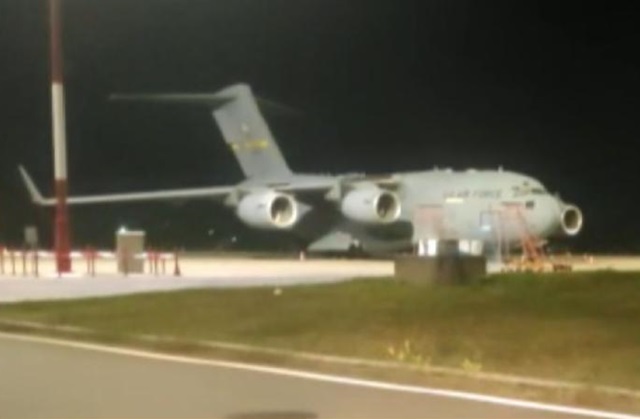
A report has emerged alleging that external forces, including the CIA, might be exploiting growing discontent within the Sri Lankan army, with the aim of destabilizing the current administration under President Anura Kumara Dissanayake. This comes just five days before President Dissanayake is scheduled for an official visit to China, which has sparked significant geopolitical interest due to the country’s growing influence in Sri Lanka.
In a YouTube video released by Sree Iyer, an Indian national and the founder of the web portal PGurus, speculation is raised regarding the possibility of a military coup in Sri Lanka. According to PGurus’ website, PGurus, Inc. is a California C-Corporation, incorporated in the state of California, United States. Iyer, who is known for his expertise in hardware, software, and encryption, and has authored several books, pointed to the growing tensions between the current government and the powerful Rajapaksa family. The Rajapaksa clan has held significant political power in Sri Lanka for over a decade, with family members holding key positions in the defense sector, including Gotabaya Rajapaksa, who served as defense minister during Mahinda Rajapaksa’s presidency.
The report suggests that Dissanayake, a left-leaning leader with supposed support from China, has significantly reduced security for the Rajapaksa family and dismissed many of their loyalists from governmental roles. These moves have reportedly led to resentment within the army, which, according to the report, may still hold considerable loyalty to the Rajapaksa family. The army, which was heavily expanded during the Rajapaksa years to defeat the LTTE, is allegedly disillusioned by the government’s recent decisions to retire soldiers in an effort to reduce the financial burden on the Sri Lankan economy.
Further fueling speculation is the claim that CIA operatives are taking advantage of this discontent, possibly in collaboration with Rajapaksa loyalists, to orchestrate a coup against Dissanayake. While there is no substantial evidence presented to verify these claims, the timing of the report, just days before Dissanayake’s planned visit to China, adds an element of intrigue.
The report also touches upon broader geopolitical tensions, including Sri Lanka’s strategic position in the Indian Ocean. Trincomalee, a port city in Sri Lanka, is mentioned as a key location of interest for both India and the United States due to its potential military and economic significance. The U.S. has reportedly sought to establish a naval and air base in the region, an idea that has been resisted by Sri Lanka and may provoke further tensions in the region. While India’s stance on allowing a U.S. military presence in Sri Lanka remains unclear, the report implies that both China and India are likely to be vying for influence in the island nation, complicating matters for Sri Lanka’s current administration.
The geopolitical dynamics involving the U.S., China, and India, especially in the South Asian region, continue to evolve. The possibility of increased U.S. involvement in Sri Lanka or a shift in power within the country could significantly impact regional stability. As tensions between China and the U.S. escalate, Sri Lanka’s role as a strategic player in this high-stakes political landscape remains critical.
However, it’s important to note that this report comes with no definitive proof to substantiate the claims made regarding a potential military coup or CIA involvement. The situation remains speculative, and developments are expected to unfold over the coming days, particularly with President Dissanayake’s official visit to China on the horizon.