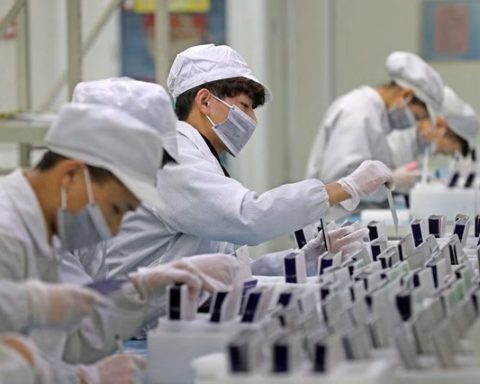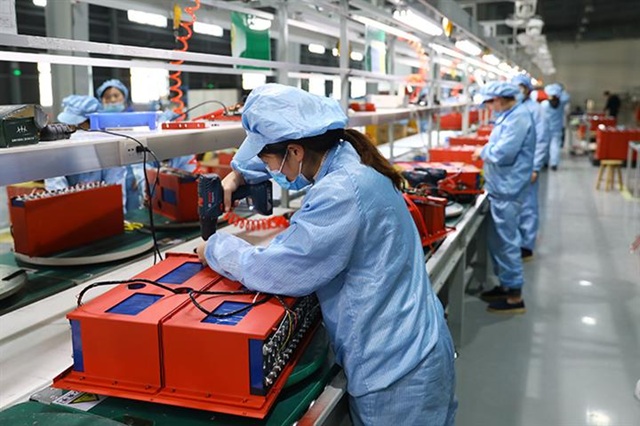
Thousands of Chinese workers launched coordinated strikes at BYD-owned electronics factories from March 28 to April 2, in one of the largest recent displays of industrial unrest in China’s manufacturing sector. The protests, which occurred in Wuxi and Chengdu, were sparked by wage cuts, loss of benefits, and worsening working conditions following BYD’s acquisition of the plants from US-based Jabil in late 2023.
Despite promises to maintain pay levels, BYD implemented a series of income reductions, including the elimination of a modest ¥30 ($4.10) birthday bonus. Workers also protested the company’s refusal to disclose the fate of a ¥100 million ($13.75 million) severance fund left by Jabil for employees unwilling to transition to BYD.
The strikes showcased a rare degree of coordination across cities over 1,000 kilometers apart and were marked by militant worker action. In Chengdu, employees rejected backroom negotiations and instead demanded transparent, collective discussions. When company representatives attempted to suppress the protests with condescending speeches, workers jeered in defiance.
Chinese authorities responded with swift repression. In Wuxi, police presence and a sudden factory shutdown helped end the strike by March 29. In Chengdu, the strike was forcibly dismantled by riot police and SWAT teams on April 2, with arrests reported though numbers remain unclear.
The unrest highlights growing discontent among China’s industrial workforce amid overproduction, inflation, and stagnant wages. Workers often rely on overtime just to meet basic living standards, with Shanghai’s 2024 minimum wage (¥2,690 or $370) falling far below estimated living costs.
Recent strikes at Foxconn facilities and successful protests by truck drivers in Chongqing further signal a trend of rising labor militancy in China. As economic pressures mount, experts warn that China’s tightly controlled labor system may face increasing challenges from below.