Chhattisgarh, a state long plagued by Maoist insurgency, claims significant success in its fight against the Naxals, with Union Home Minister Amit Shah recently announcing the killing of 287 insurgents in 2024. However, this victory has come at a grave cost to the local tribal population, sparking debates about human rights abuses and the legitimacy of the state’s anti-naxal operations. The state’s efforts to combat Naxalism have raised significant concerns regarding the safety of innocent civilians, the militarization of tribal areas, and the encroachment of corporate interests.
According to reports from The Frontline India, the increase in the number of Naxalites killed in encounters—from 20 in 2023 to 287 in 2024—has been accompanied by allegations that many of these individuals were innocent civilians, victims of staged encounters. Despite the state’s claims of success in reducing security personnel and civilian casualties, there is growing suspicion among local villagers and activists that these figures may not be entirely accurate.
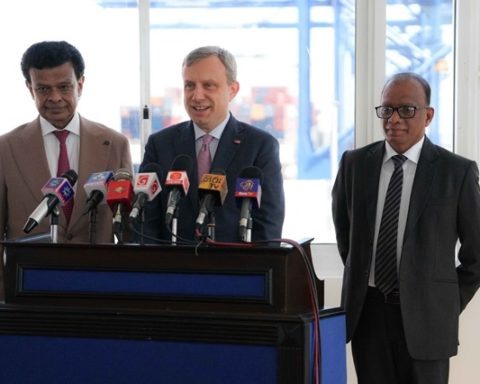
During his visit to Raipur in December 2024, Amit Shah hailed the Chhattisgarh police for their role in curbing insurgency, noting that the police had arrested 1,000 individuals and facilitated 837 surrenders in a single year. He also announced a deadline to eradicate Naxalism by March 2026, marking the beginning of the BJP’s first year in power in the state. However, his speech was silent on the increasing reports of innocent civilians being caught in the crossfire, often resulting in tragic casualties.
The human cost of Chhattisgarh’s anti-naxal operations has been high. For example, in January 2024, a six-month-old girl was killed during a reported crossfire between security forces and Maoist insurgents in Bijapur, South Chhattisgarh. The incident was part of a disturbing pattern of similar tragedies that have occurred throughout the year. In one particularly harrowing case in December, four children were injured in alleged crossfire between security forces and insurgents in the conflict-ridden Abujhmad area.
Local villagers have reported that many of those killed in the encounters were not Maoists but innocent civilians. One such case involved Kamli Kunjam, a young girl killed in an encounter in April 2024. Her father, Somli Kunjam, claims that his daughter was not involved with the Maoists, but was simply another victim of a violent encounter.
This incident, among others, has raised serious concerns about the lack of accountability and transparency in the operations of Chhattisgarh’s security forces. Human rights activists like Himanshu Kumar argue that the growing militarization of the region has led to the violation of tribal communities’ rights, including extrajudicial killings and the forced displacement of people from their ancestral lands. Tribal activists argue that the ongoing military actions are more about safeguarding corporate interests, particularly in the mining sector, than addressing the roots of the insurgency.
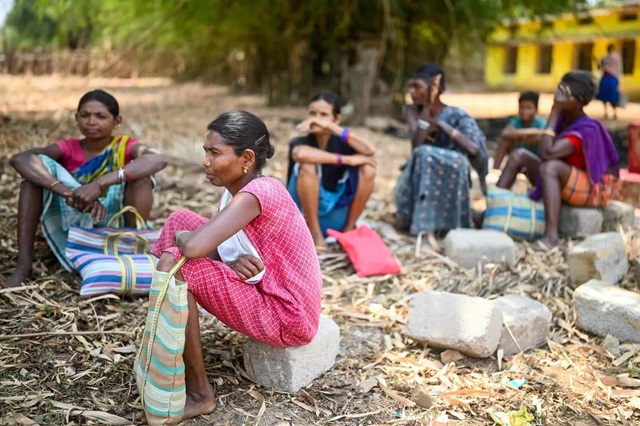
In Bastar, where the Naxals are most active, the government’s aggressive anti-naxal strategy has coincided with a massive increase in the establishment of security camps and the expansion of infrastructure to support mining operations. The construction of roads and railways in these tribal areas is seen by many Adivasis as a tool to facilitate the exploitation of local natural resources by corporate interests, an issue that has sparked widespread opposition among the local population. In fact, as reported by The Frontline India, there have been numerous complaints about the unlawful acquisition of land and the lack of consent from the tribal communities regarding mining and development projects.
Notably, a report from the Chhattisgarh State Scheduled Tribes Commission (CGSTC) revealed that the consent for mining in Sarguja and Surajpur districts was obtained through forged documents, violating tribal rights under the Panchayats (Extension to Scheduled Areas) Act. The forced displacement of Adivasis from their lands, along with the criminalization of their resistance, highlights the state’s disregard for tribal rights and the legal protections afforded to them.
Local political leaders, such as former Chief Minister Bhupesh Baghel, have called for more restraint in anti-naxal operations, urging the state to reassess its strategy and focus on ensuring the safety of civilians, particularly children. Baghel has also highlighted the concerns over the “unrealistic deadlines” set by the BJP government for eradicating Naxalism and warned against measures that jeopardize innocent lives.
Meanwhile, civil society organizations continue to raise alarms over the growing repression of democratic activism in the state. In October 2024, the Chhattisgarh government banned the Moolvasi Bachao Manch (MBM), a grassroots organization fighting for tribal rights. The state claimed that the organization was involved in “unlawful activities,” including opposing government-backed development projects and mobilizing resistance against security camps. This ban follows a series of human rights violations, including the firing on peaceful protestors in Silger village in 2021, a tragedy that left four people dead.
In response to the intensification of anti-naxal operations, rights activists are calling for a more comprehensive approach that includes dialogue with insurgent groups, addressing the grievances of local communities, and ensuring the protection of human rights. Critics argue that the current strategy, which prioritizes corporate interests and militarization, only exacerbates the suffering of the tribal population in Chhattisgarh.