by Our Correspondent in London
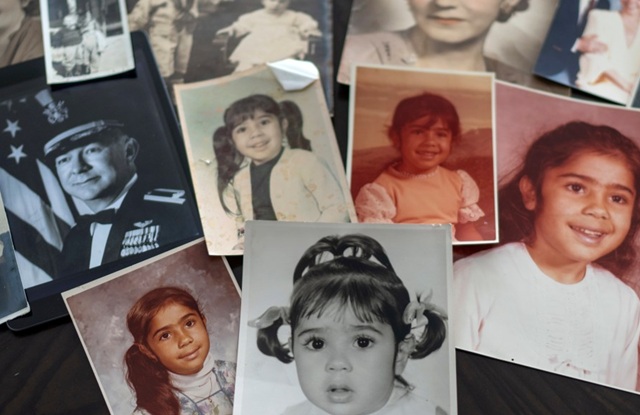
For decades, South Korea’s adoption program, which saw thousands of children sent abroad to families in Europe and the United States, was lauded as a lifeline for orphaned or abandoned babies. The children, many born to unmarried mothers or to women who had been involved with foreign servicemen, were seen as a source of joy to couples unable to have children of their own. However, a recent investigation has shed light on a darker side to the program, revealing that these children were often treated like “luggage” and subjected to a fraudulent and exploitative process.
As reported by The Times UK, the Truth and Reconciliation Commission of South Korea, which conducted a two-year investigation into the adoption system, confirmed widespread malpractice, including falsification, fraud, and coercion. Of the 367 cases reviewed by the commission, 56 were identified as fraudulent, with the likelihood that many more instances of malpractice occurred but could not be confirmed due to poor record-keeping.
This revelation marks a shameful chapter in South Korea’s history, with many adoptees now demanding an official apology from the government and compensation for the violations they experienced. Park Sun-young, chairwoman of the Truth and Reconciliation Commission, told a press conference, “These violations should never have occurred. We must come together — adoptive countries and adoptees alike — to address the identity crises many adoptees face.”
The Scale of South Korea’s Adoption Program
South Korea is known to have the largest population of international adoptees in the world, with approximately 200,000 children adopted abroad since the 1950s, the majority of them to families in the United States, Denmark, and Sweden. While many adoptees found loving homes, the adoption process was often motivated by commercial interests rather than a genuine desire to care for vulnerable children. Private adoption agencies, which played a major role in the system, earned substantial commissions, creating an incentive to facilitate as many adoptions as possible. Some of these agencies misrepresented children as orphans, despite the fact that many had surviving family members who were unaware of the adoption plans.
The adoption program’s roots go back to the years following the Korean War (1950-1953). During this time, South Korean women who had children with foreign soldiers, particularly U.S. servicemen, were often stigmatized. Many unmarried mothers faced tremendous societal pressure and were either coerced or manipulated into giving up their babies. According to the Truth and Reconciliation Commission’s report, government authorities were complicit in facilitating these adoptions, as they provided little oversight and were more focused on avoiding welfare costs for these children.
One of the most disturbing findings of the investigation was the discovery of cases in which children were sent to foreign families under false pretenses. In some instances, babies who were believed to have died were replaced by other infants just before the adoption took place, and the real birth parents were never informed of the changes. The commission also highlighted the government’s practice of using private adoption agencies to avoid the cost of domestic welfare programs, pushing forward with international adoptions to save money.
A Shameful Part of South Korea’s History
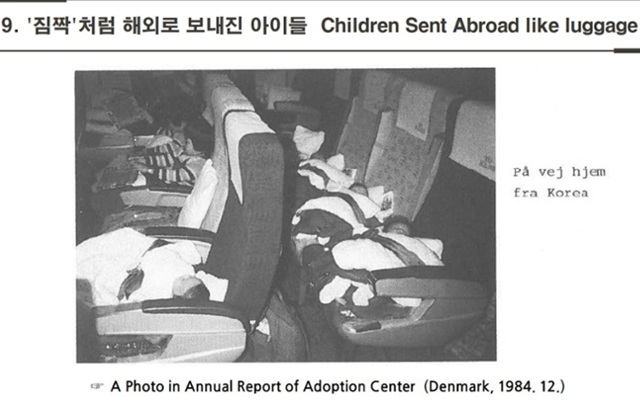
Photographs published in the commission’s report show the grim reality faced by many of these children. One image from 1984 depicted babies strapped into seats on an aircraft, covered with blankets, and sent abroad like cargo. This stark image encapsulates the callousness with which these children were treated. It is clear that the South Korean government prioritized international adoption not out of concern for the children’s welfare, but as a cost-effective means to rid the country of children it deemed undesirable.
Many adoptees who returned to South Korea as adults have reported the painful experiences they faced while attempting to trace their roots. For some, the search for their birth parents has revealed shocking truths, including mothers who had been told their babies had died during birth, only to later learn their children had been put up for adoption without their knowledge or consent. In the case of one woman who tracked down her birth mother, the mother had no idea her child was still alive, having been told by adoption officials that her baby had passed away during delivery.
The Ongoing Fight for Justice
The publication of the Truth and Reconciliation Commission’s findings has sparked a call for more investigations into individual cases, with adoptees like Boonyoung Han, a Danish Korean adoptee, demanding that the government provide answers. Han stated, “Without the truth, our lives rest upon guesses, estimations, and creative narratives. We are victims of state violence, but without a trace!” Many adoptees, like Hanna Johansson from Sweden, have called the report a “victory” but stress the need for further action to ensure that those responsible are held accountable.
For South Korea, the legacy of its adoption program is one of both heartbreak and shame. As the Truth and Reconciliation Commission urges the government to apologize and compensate victims, the international community and South Korean society must reckon with the painful truth of this dark chapter in the nation’s history. The need for justice and transparency remains urgent, and it is clear that the fight for adoptees’ rights will continue until the full truth is revealed and proper reparations are made.