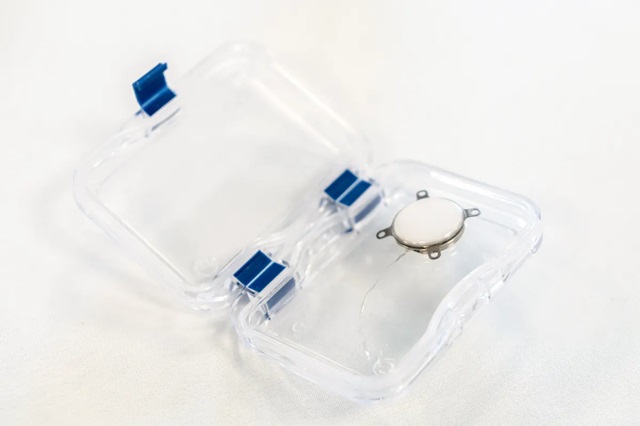
China’s push into brain-computer interface technology is gaining momentum, challenging the long-standing leadership of US companies like Elon Musk’s Neuralink Corp., Bloomberg reports. While Neuralink has pioneered implanting chips into patients’ brains for medical and experimental purposes, a wave of clinical trials by Chinese startups this year is shifting the competitive landscape. In May, Shanghai-based StairMed Technology Co. released a video showing a paraplegic patient playing a computer game using only his thoughts, enabled by a coin-shaped implant comparable to Neuralink’s devices.
Brain-computer interfaces, once viewed as niche or futuristic, are emerging as a strategic front in the technological rivalry between the United States and China. Current applications primarily aim to restore essential functions for disabled patients, but experts foresee broader use in commercial and consumer settings once the technology matures. China is leveraging a top-down policy approach, similar to initiatives that propelled the country’s electric vehicle and semiconductor industries, to accelerate its development. In July, a pan-ministerial statement pledged support across research, clinical trials, and commercialization, aiming to build a world-class brain tech cluster by 2030.
“This year we’re seeing what you can call an explosive phase of growth,” said Zhengtuo Zhao, StairMed’s founder. “The US still holds the lead in full system-level development, but we’re catching up quickly and leading in some specific areas.” Companies are optimistic that the policy momentum will reduce regulatory hurdles and facilitate faster progress.
Brain-computer interface devices can interpret neural signals to enable wireless control of computers, prosthetics, or other electronics. Experts say that beyond healthcare, the technology could significantly impact artificial intelligence, robotics, and consumer devices, potentially rivaling the revolutionary effect of touch screens. China’s policy drive is reminiscent of the Made in China 2025 initiative, which established global leaders like BYD Co. and Contemporary Amperex Technology Co. President Xi Jinping has set clear goals to establish two to three world-leading brain-computer interface companies and a full ecosystem by 2030, with potential integration into everyday items such as headphones and glasses.
The supportive environment includes regulatory measures such as a new reimbursement category for invasive brain chip surgeries, expedited review processes, and regional industrial clusters in Beijing and Shanghai. Clinical trials by companies such as NeuCyber NeuroTech (Beijing) are scheduled to begin next year, with studies involving 30 to 50 patients.
The Chinese brain-computer interface industry, currently valued at 3.2 billion yuan ($450 million), is projected to grow 20 percent annually, according to CCID Consulting Co. Companies like BrainCo dominate the wearable segment, while others, including NeuCyber and Neuracle Technology, are developing semi-invasive implants to assist with communication and bionic arm control. StairMed began its first invasive patient trial in March, 14 months after Neuralink, with its system operating stably as of September. Its implant is half the size of Neuralink’s and contains ultra-flexible electrodes, with plans to expand trials in 2026 and register the product by 2028.
“Brain-computer interfaces have research potential that goes far beyond healthcare — it could impact AI, robotics, and consumer products,” said Shuo Mao, a principal at Qiming Ventures, which backs StairMed. “China clearly doesn’t want to fall behind in this area.”