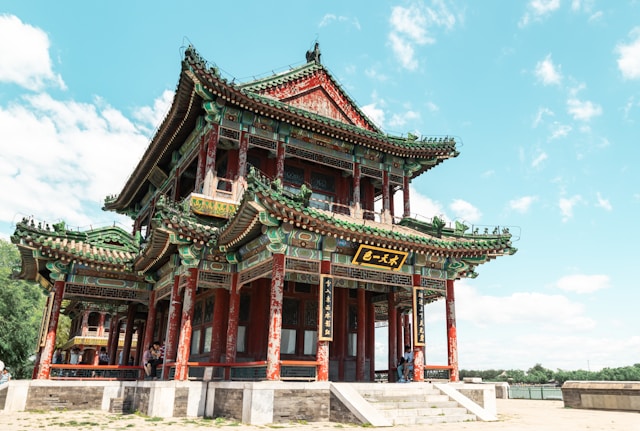
China has launched a sweeping crackdown on online religious activity, introducing strict new rules that target digital preaching, artificial intelligence-driven fortune-telling, and the monetization of spiritual practices. The move follows a series of scandals in the country’s lucrative temple economy, including allegations of embezzlement against the abbot of the world-famous Shaolin Temple.
The National Religious Affairs Administration unveiled a new code of conduct for clergy this week, prohibiting most forms of online commercial religious activity. Only licensed temples, churches, and officially recognized organizations will be allowed to operate websites or apps to conduct religious training. Short videos, livestream preaching, and marketing religion through social media platforms such as WeChat are now banned.
The regulations specifically warn against using artificial intelligence for preaching or fortune-telling, reflecting Beijing’s concern about the fusion of new technologies with centuries-old practices. Clergy are barred from taking payments online for rituals such as incense burning or chanting, and from promoting “heretical cults” or engaging in “feudal superstitious activities.”
The timing of the crackdown comes less than two months after revelations that Shi Yongxin, the abbot of the Shaolin Temple often dubbed China’s “CEO monk,” is under investigation for embezzlement and misconduct. State media reported that several of his associates have been detained, with accusations ranging from financial corruption to personal impropriety.
Religion, once harshly repressed under Mao Zedong, has seen a resurgence since his death in 1976. While only about one in 10 mainland Chinese formally identify with a faith, nearly 40 percent say they believe in deities, spirits, or ghosts, according to the Pew Research Center. This revival has fueled rapid growth in the so-called “temple economy,” which generates revenue from tourism, rituals, donations, merchandise, and increasingly, digital services. Consultancy Meritco Group estimates the sector will surpass Rmb100bn ($14bn) this year, growing at more than 10 percent annually.
Analysts told the Financial Times that Beijing’s latest campaign seeks to rein in what it perceives as the over-commercialisation of Buddhism, Taoism, and folk religions, while ensuring that the Communist Party maintains ultimate control. Ian Johnson, author of The Souls of China: The Return of Religion After Mao, noted that these measures resemble President Xi Jinping’s broader anti-corruption campaigns targeting party cadres.
Local authorities have already begun implementing the directive. In western Sichuan, officials convened religious associations for study sessions on the new rules, promising “self-examinations” and inspections to eliminate potential risks.
Still, experts believe the restrictions may not permanently curb online religious activity. Johnson suggested that such campaigns often flare up, punish a few high-profile figures, and then fade, with banned practices eventually resurfacing. “The main goal,” he said, “is to show that nobody is beyond the party’s authority.”