Russia’s nuclear-powered cruise missile, the Burevestnik, has attracted fresh international attention as reports emerge suggesting Russia may be preparing new tests of the unique weapon. A Chinese military expert said on Tuesday that these trials could be aimed at resolving previous technical issues while also serving as a strategic deterrent amid ongoing tensions related to the Russia-Ukraine conflict. Media reports note that the timing of the possible tests coincides with upcoming diplomatic talks between Russia and the U.S. in Alaska.
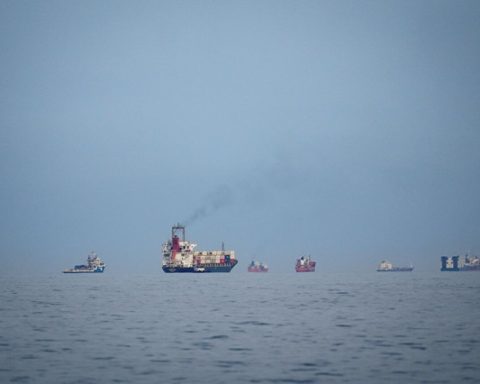
Norwegian outlet Barents Observer reported on August 7 that a Notice to Airmen (NOTAM) issued by Russian aviation authorities indicated potential missile test activity at the Pankovo launch site on Novaya Zemlya, a remote Arctic archipelago known for nuclear testing. Observers have tracked ship movements, satellite imagery, and air traffic in the region, signaling preparations underway for weeks.
U.S. media Newsweek reported that a U.S. Air Force WC-135R aircraft—used for detecting nuclear tests—flew near Russia’s nuclear bases in the northwest last week. Analysts believe this surveillance flight could signal anticipated missile tests at Novaya Zemlya, which historically has served as a nuclear test site.
The Burevestnik (meaning “storm petrel”) is a ground-launched, low-flying cruise missile notable for being nuclear-powered, granting it potentially unlimited range compared to traditional chemically propelled missiles. Russian President Vladimir Putin first revealed the missile program in 2018, highlighting successful tests at the time. According to military experts and Russian journals, the missile could theoretically travel up to 20,000 kilometers at altitudes as low as 50–100 meters, making it difficult for air defense systems to detect.
Chinese military expert Song Zhongping told the Global Times that the Burevestnik represents a groundbreaking weapon system, as Russia is the first to develop a nuclear-powered cruise missile capable of carrying a nuclear warhead. Song emphasized that this technology could reshape global strategic nuclear balance if successfully developed.
However, the missile’s nuclear propulsion system has posed significant technical challenges. Reuters noted previous test failures, including a 2019 incident at the White Sea that killed at least five Russian nuclear specialists and involved radiation release. U.S. intelligence suspected the accident was related to Burevestnik testing.
Song suggested that the new tests may focus on overcoming these propulsion difficulties but warned that the missile’s combat reliability and radiation safety remain uncertain.
Meanwhile, Indian media outlet Eurasian Times highlighted speculation that the timing of the tests could be tied to the upcoming Trump-Putin talks in Alaska about the Ukraine conflict. Experts suggest Russia may use the Burevestnik as a form of strategic deterrence to signal to the U.S. and Europe that its military retains advanced weapons not yet deployed in active combat. This demonstration could strengthen Russia’s negotiating position.
As tensions persist in the Russia-Ukraine conflict, the potential revival of tests for this unprecedented nuclear-powered missile underscores the evolving nature of global military technology and strategic posturing.