China is expected to maintain a central role in global rare-earth supply chains due to its technical expertise and cost competitiveness, according to Neo Performance Materials Inc., a leading Western producer of critical materials. The Canadian company has operations across China, Asia, Europe, and North America.
“China will remain, and frankly should remain, the dominant player in the space,” Neo CEO Rahim Suleman said in an interview in Toronto on Wednesday. His comments came during a rare-earths conference focused on diversifying supply chains away from China, where export curbs earlier this year had raised concerns about potential industrial disruptions and accelerated US efforts to boost domestic production.
Suleman emphasized that while managing concentration risks is important, attempting to fully sever reliance on China presents challenges. “When the industry starts talking about independence from China, frankly we think that’s challenging,” he said.
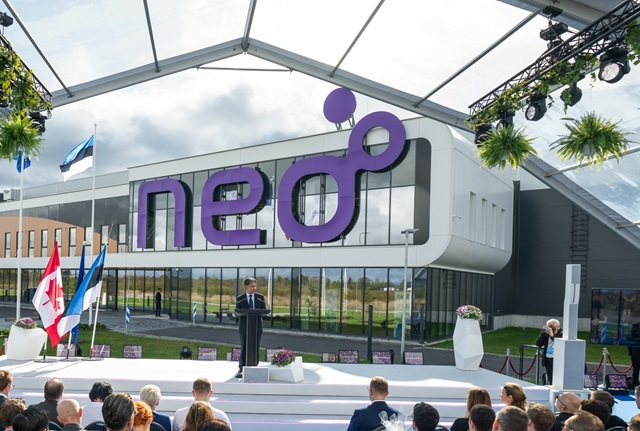
China’s dominance in rare-earth production is significant. More than 90% of rare-earth magnets are manufactured there, and the country’s ability to meet specialized customer requirements at competitive prices remains a major factor. Neo itself recently opened Europe’s first magnet plant in Estonia, while continuing its long-standing operations in China.
Even emerging US producers acknowledge that quickly replacing Chinese suppliers will not be straightforward. Manufacturers that rely on rare-earth magnets must weigh the higher costs of localization against potential supply risks tied to geopolitical tensions.
“China remains the most cost-effective jurisdiction in the world, and I think customers certainly will pay attention to finding the right balance, with some materials localized versus the majority of their buying,” Suleman said, highlighting the practical constraints facing Western efforts to diversify rare-earth sourcing.