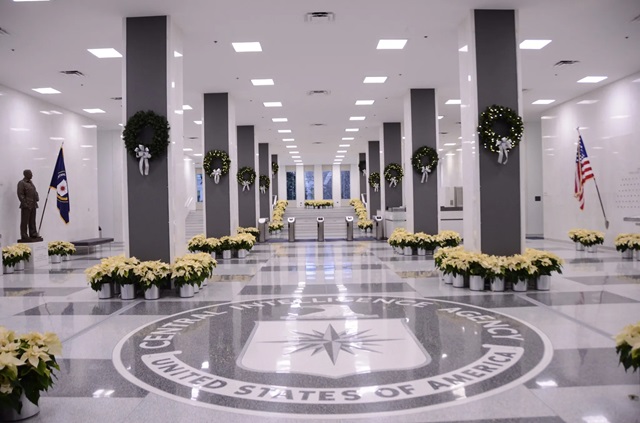
The CIA is confronting growing challenges in its efforts to recruit foreign informants, with current and former intelligence officials warning that the agency is in urgent need of more spies, according to a report published Wednesday by The Washington Post.
A key obstacle, officials said, is the global expansion of public surveillance systems and advances in facial recognition technology, which have made it significantly harder for CIA operatives to operate undetected. These technological shifts have rendered many traditional espionage methods obsolete.
“Some of the tools and techniques from the 1960s or ‘70s might still work today, but a lot of them need to be updated and refreshed,” CIA Deputy Director Michael Ellis said in a recent public interview.
In addition to technological hurdles, officials pointed to strategic setbacks, including the loss of a network of Chinese informants in the early 2000s. That operation, which aggressively targeted Chinese officials for recruitment, was later dismantled by Beijing’s security services. As many as two dozen CIA assets were reportedly imprisoned or executed.
The COVID-19 pandemic further disrupted CIA activities by limiting face-to-face meetings and travel. Now, planned closures of 10 U.S. embassies and 17 consulates, part of President Donald Trump’s proposed budget cuts, threaten to reduce the agency’s global presence even more.
In response to these difficulties, the CIA has launched a digital media campaign to attract defectors, producing what insiders described as “Hollywood-quality” videos aimed at Russian and Chinese audiences. While officials claim the videos have prompted some responses from Russians, they have declined to provide details. The ads were met with ridicule and parody abroad, often flipping the message to highlight issues within the United States.
Domestically, the agency is also struggling to attract new talent. A former official told The Post that recruitment has dropped by double digits since 2019. Concerns over morale and security were further heightened after the White House circulated an unclassified list of new CIA hires, including first names and initials.
In 2021, the agency faced backlash over a recruitment video featuring a self-described “cisgender Millennial with generalized anxiety disorder,” which drew criticism for its perceived focus on identity over capability. Ellis insisted the agency’s current focus is on building “the ultimate meritocracy at the CIA.”