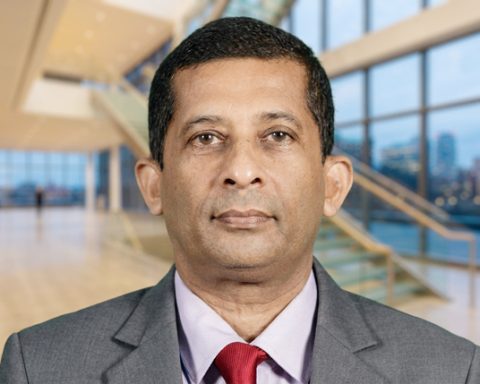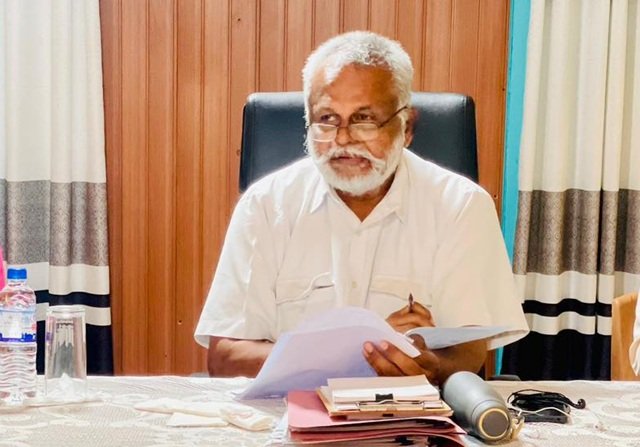
Former Minister Douglas Devananda has issued a blunt warning over what he describes as the growing failure of local governance mechanisms, stating that he will take the concerns of the public directly to President Anura Dissanayake. Citing widespread frustration over the ineffectiveness of coordination committee meetings at district and divisional levels, he said his intervention would be guided solely by the welfare of the people.
Devananda pointed to what he sees as a serious breakdown in the functioning of coordination committees, which are meant to serve as key platforms for addressing grassroots issues. These meetings, involving government officials and local representatives, have traditionally been used to resolve development challenges and livelihood concerns. However, he claimed that they are no longer producing meaningful outcomes, leaving many legitimate issues unresolved.
According to him, this marks a clear shift from the past, when such forums were more responsive and effective. He stressed that people once had confidence in these meetings as spaces where their grievances could be heard and addressed. Now, that confidence appears to be eroding, with many citizens expressing dissatisfaction over the lack of tangible results.
Devananda also criticized the current administration for failing to deliver on its earlier promises. He noted that before coming to power, government leaders spoke extensively about addressing public concerns and introducing solutions. Yet, more than a year and a half later, he argued that there is little evidence of structured plans or effective mechanisms being implemented to improve the lives of ordinary people.
He framed this as not just an administrative issue, but a failure of leadership. Those who preside over coordination and development committee meetings, he said, must have both the ability and the commitment to reflect the voices of the people. Without that, these institutions risk becoming symbolic gatherings rather than functioning bodies capable of solving real problems.
The frustration, he added, is being openly communicated by the public. Devananda revealed that he has received numerous complaints from citizens through phone calls, social media, and direct outreach. Many have voiced concern that the system they once relied on to address grievances is no longer working as it should.
He warned that if such dissatisfaction continues to grow, it could weaken trust in governance more broadly. When people feel that their concerns are ignored, it undermines confidence in political institutions and leadership. For Devananda, this situation requires urgent attention and corrective action.
In addition to concerns about inefficiency, he raised the issue of restrictions on media access during coordination committee meetings. He said there have been instances where journalists were denied the opportunity to report on proceedings or were deliberately kept away. This, he argued, is a troubling development that limits transparency.
Reflecting on his own time in office, Devananda stated that media access was never restricted during such meetings. Journalists were allowed to gather information freely and report independently. He contrasted this with the current situation, suggesting that limiting media presence raises questions about accountability and openness.
He described these developments as unfortunate and emphasized that transparency is essential for maintaining public trust. Preventing media coverage, he said, only increases suspicion and reduces confidence in decision-making processes.
Against this backdrop, Devananda reiterated his plan to raise these concerns directly with President Anura Dissanayake. He said the discussion would focus on restoring the effectiveness of coordination committees, ensuring that public grievances are addressed, and protecting democratic principles such as media freedom.