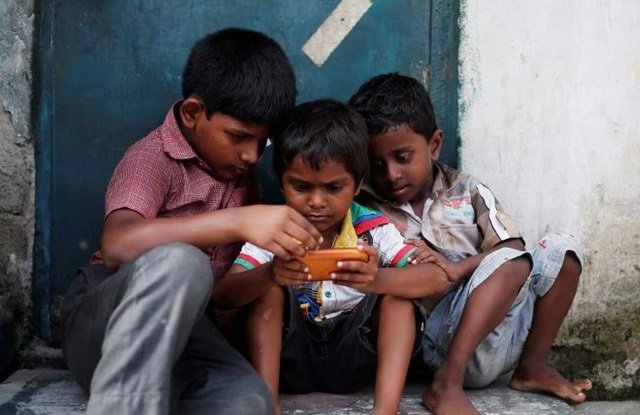
More than 20 million children and adolescents aged between 12 and 17 experienced at least one form of technology-facilitated sexual exploitation or abuse across 21 countries during a single year, according to a major study by UNICEF, Interpol and ECPAT International.
The report, titled A través de los ojos de la infancia: cómo las tecnologías digitales facilitan el abuso sexual, draws on surveys of 21,000 children and adolescents and more than 100 detailed interviews with survivors. The findings indicate that one in five children using the internet in the countries surveyed experienced some form of sexual abuse or exploitation facilitated by technology.
One case from Mexico illustrates how quickly private material can become a commercial commodity online. A 16-year-old girl discovered that private sexual images of adolescents were being organised into around 300 files, divided by municipalities and arranged alphabetically. The images had reportedly been advertised through a Facebook group before being sold through Telegram for as little as 7.5 pesos (0.38 euros).
The study also identifies artificial intelligence as an emerging factor that is increasing the risks. More than 1.1 million children in the countries covered during the second phase of the research, conducted between 2024 and 2025, were estimated to have been victims of fake sexual images or videos created using AI.
Daniel Kardefelt Whinther, the report’s lead researcher at UNICEF, warned that generative AI could make such abuse increasingly prevalent as the technology rapidly advances and becomes more sophisticated. A photograph can be manipulated and combined with an image of another person to create a realistic representation without the victim doing anything, while the resulting social consequences and trauma can be comparable to physical abuse.
The scale of online exposure extends beyond manipulated images. The research estimates that 15 million children were exposed to unwanted sexual content in the 21 countries during one year. Nine million were asked to engage in sexual conversations or share sexual images against their will, while four million experienced the non-consensual distribution of sexual images.
Social media accounted for close to 60% of cases, while 14% occurred in online games. For 38% of children, the first contact with their abuser took place online. The researchers also found that offenders frequently approach large numbers of children through messages or friend requests, waiting to see who responds. Direct messaging and hidden or encrypted chats can further facilitate abuse.
Yet the study challenges the assumption that online sexual abuse is primarily committed by unknown adult predators. In 57% of cases, the person involved was already known to the child, including another child, a partner, friend or family member. Technology can provide such individuals with a private means of gaining a child’s trust and carrying out abuse away from public view.
The consequences also differ according to gender. Although boys and girls experience online sexual violence at similar rates, girls and adolescents are more likely to face blame, social pressure and threats from perpetrators. Boys can encounter pressures linked to masculinity and may feel compelled to deal with abuse alone. Some boys abused by men may also fear being judged or perceived as homosexual, particularly in countries where homosexuality is taboo.
A significant proportion of cases remain hidden. More than four in 10 children never disclosed what had happened, while less than 1% reported their experiences to police, social workers or helplines. The most common reason for silence was not knowing where or to whom to turn, reported in 25% of cases.
The study also found a serious association between online exploitation and psychological harm. Children who experienced online exploitation were four times more likely to report suicidal thoughts or behaviour and self-harm, and also experienced more anxiety than children who had not experienced such violence.
Kardefelt said children should not be expected to protect themselves from abuse that is facilitated by the design of digital platforms. The researchers called for technology companies to take greater responsibility by removing features that facilitate abuse, strengthening privacy by default, improving moderation and reporting systems, and providing greater transparency about the effectiveness of their safeguards.
Governments, meanwhile, are urged to modernise legislation to address emerging forms of online sexual abuse and provide regulators with sufficient powers and resources to hold platforms accountable. The findings point to a widening challenge in which technology is not simply providing new opportunities for communication, but also creating new channels through which children can be targeted, exploited and silenced.