The number of displaced people in Haiti has reached an unprecedented 1.4 million, marking a 36% increase since 2024, the International Organization for Migration (IOM) reported. The UN agency described the figure as the “highest statistic ever recorded in the country,” with more than half of those displaced being children and women, the most vulnerable groups in the crisis.
Grégoire Goodstein, IOM’s Chief of Mission in Haiti, stressed the urgency of the situation, saying, “The gravity of this crisis calls for a more intense and sustained response.” He urged the international community to support Haitian communities, which have been hosting the displaced with remarkable generosity.
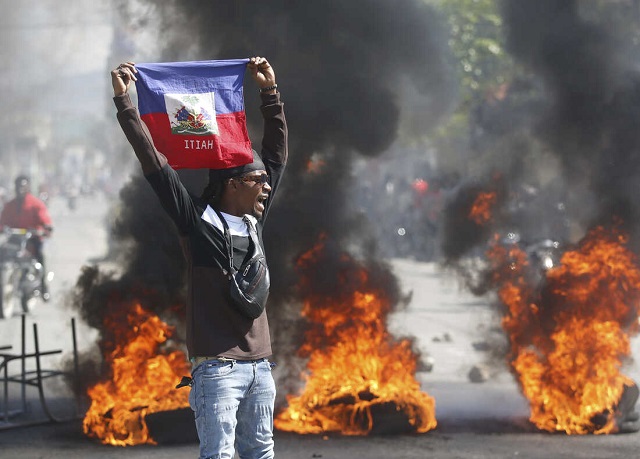
Haiti, the poorest country in the Americas, has endured years of violence from criminal gangs responsible for murders, rapes, kidnappings, and looting, compounded by chronic political instability. The situation worsened in early 2024 when gang violence forced the resignation of then-Prime Minister Ariel Henry.
Although armed groups control almost the entire capital, Port-au-Prince, IOM reported that the crisis has extended beyond urban areas. Around 64% of new displacements occurred outside the capital, particularly in the Central and Artibonite departments, where attacks by gangs have surged in 2025.
Overcrowding at reception centers for displaced persons has made conditions unsustainable. The crisis is further compounded by the continued deportation of Haitians from the neighboring Dominican Republic, with over 207,000 expelled earlier this year, placing additional strain on the nation’s limited resources.
Haiti is currently governed by a transitional Presidential Council, with no elections held since 2016. Addressing the security crisis and the massive displacement of the population remains the most urgent challenge for both the new Council and the global humanitarian response.