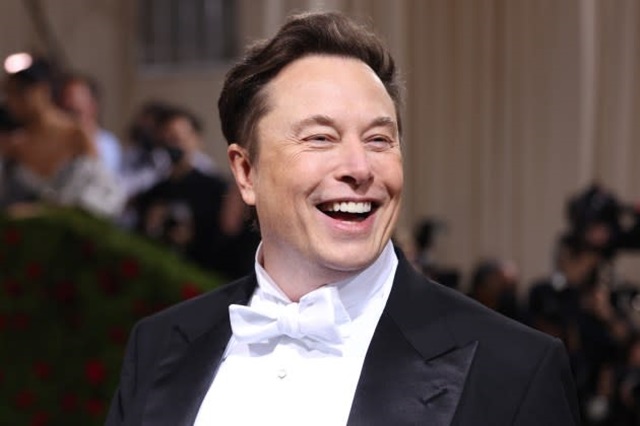
Tesla shareholders approved Musk’s $1 trillion compensation plan with 75 percent of votes cast at the company’s annual meeting on Thursday, Financial Times reported. If Musk meets the plan’s targets, it could increase his stake by 12 percent and give him control of a quarter of Tesla’s shares. The approval came after months of debate over governance concerns, but investors appeared to prioritize keeping Musk at the helm as the company pursues its pivot toward artificial intelligence and autonomous technologies.
The vote was celebrated with a high-energy meeting at Tesla’s Texas gigafactory, featuring techno music, neon lights, and dancing “Optimus” humanoid robots. Musk delivered more than an hour of remarks outlining his vision of a future dominated by AI, self-driving vehicles, and robots capable of performing surgery and alleviating global poverty. “It’s going to be the biggest product of all time by far… Optimus is kind of like an infinite money glitch,” he told the audience.
The approval follows Musk’s previous contentious $56 billion pay vote last year, which faced legal scrutiny over board independence. This year, his confidence in victory was bolstered by Tesla’s move to Texas, enabling Musk and his brother Kimbal to vote with their 16 percent stake. Despite opposition from proxy advisers Institutional Shareholder Services and Glass Lewis, Tesla executives, including chair Robyn Denholm and CFO Vaibhav Taneja, lobbied investors heavily in the weeks leading up to the vote, warning of negative consequences if the package failed.
To unlock the full $1 trillion payout, Musk must achieve ambitious milestones over the next decade, including sextupling Tesla’s valuation to $8.5 trillion, increasing earnings 24-fold to $400 billion, and selling millions of autonomous robots and driving subscriptions. The plan provides no salary or bonus, and abstentions counted as votes against. Financial Times noted that institutional investors like Vanguard, BlackRock, and State Street likely played a key role in the 75 percent approval.
Critics, including Norway’s sovereign wealth fund and New York State Comptroller Thomas DiNapoli, decried the size of the award and the concentration of power it grants Musk. “This is pay for unchecked power, not pay for performance,” DiNapoli said. Nonetheless, shareholders overwhelmingly sided with Musk, re-electing three directors who had faced opposition from proxy advisers.
Musk also used the meeting to discuss Tesla’s AI ambitions, including potential chip partnerships with Intel, Samsung, and TSMC, and floated the possibility of creating a Tesla “terra-fab” to expand in-house chip production. The gathering reflected Musk’s unorthodox style, blending corporate governance with showmanship and visions of futuristic technology. “Other shareholder meetings are snooze fests, but ours are bangers… we’ve got a cyberpunk nightclub here with real robots,” Musk said.