The European Union has postponed a direct trade confrontation with China after leaders failed to agree on immediate measures to counter what they described as economic imbalances caused by rising Chinese imports and declining European industrial output.
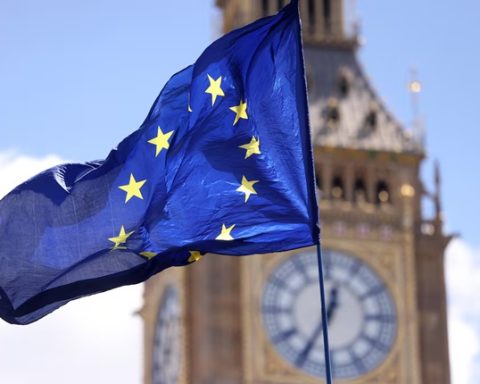
At a summit in Brussels, the 27 EU leaders chose further negotiations with Beijing rather than introducing new trade restrictions, despite strong statements before the meeting calling for a tougher response. The leaders agreed on a strategy built around European unity and continued dialogue with major economic partners.
European Commission President Ursula von der Leyen presented leaders with a warning over the bloc’s worsening trade position during a dinner meeting on Thursday. She highlighted falling European exports and increasing imports from China, with the EU’s goods trade deficit reaching €1 billion a day. She called for additional tools to address the growing pressure on European industries.
Following the discussions, EU leaders instructed von der Leyen to continue engaging with key economic partners while stressing that the dialogue must produce concrete results. They also called on the Commission to develop and potentially expand existing trade defence and industrial policy measures.
The European People’s Party, the EU’s largest centre-right political group, had pushed for a stronger stance before the summit. It said the bloc should not accept what it described as China’s unfair market intervention and urged the European Commission to strengthen existing trade defence mechanisms.
German Chancellor Friedrich Merz, von der Leyen and 10 other European leaders had signed a statement calling for the EU to end what they described as a lack of caution regarding China’s long-term ambitions. Germany, France, Italy, Poland and the Netherlands had also backed proposals for new measures, including possible tariffs, quotas and requirements for companies to diversify sources of critical materials.
The push for stronger action followed China’s restrictions on exports of some rare earth materials used in industries including automobile manufacturing and renewable energy production. However, divisions remained among member states over the timing and scale of any response.
Spain opposed the introduction of new trade measures, according to a government official, while Merz adopted a more cautious position during the summit discussions. Spanish Prime Minister Pedro Sánchez described China as a potential ally when speaking to reporters before the meeting.
One EU government official said discussions over new trade instruments had not yet reached a final stage, while a senior EU diplomat noted that similar concerns had been raised previously without resulting in decisive action.
Several diplomats said some member states preferred reducing economic dependence on China before imposing further tariffs because of concerns over possible retaliation. Previous EU tariffs on Chinese electric vehicle imports were followed by Chinese duties on European food and wine products.
Finnish Prime Minister Petteri Orpo called for the European Commission to prepare a roadmap identifying vulnerable sectors and ways to reduce reliance on Chinese supply chains.
Austrian Chancellor Christian Stocker told the Financial Times that the EU needed a strategic shift after becoming too dependent on China. He said every action against Beijing could trigger a response and that any European measures would need to consider the bloc’s ability to manage potential consequences.
The summit ended with leaders giving the European Commission a mandate to explore additional trade defence measures, but without approving immediate action against Chinese imports. The decision leaves the EU balancing efforts to protect its industries with concerns over escalating tensions with one of its largest economic partners.