On October 1, 2025, during the 60th session of the United Nations Human Rights Council in Geneva, a critical side event titled “Indo-Mediterranean: Women and Children Are Extremism’s First Victims” exposed the escalating human rights crises in South Asia. Organized by International Support for Human Rights, in collaboration with Italia Che Cambia, the event convened European lawmakers, senators and activists, to demand immediate international intervention to protect vulnerable populations in Pakistan and Bangladesh. Speakers underscored that, without swift action, women, children, and religious minorities will continue to bear the brunt of extremist violence.
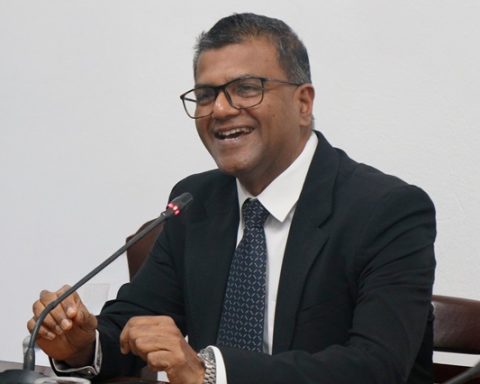
Erik Selle, leader of Norway’s Christian Conservative Party and a former resident of Bangladesh, delivered an emotional testimony, decrying the rise of extremism under the Interim Government led by Muhammad Yunus. He stressed that empowering women was critical for national stability, noting, “When women’s rights are strengthened and opportunities are created for them to earn and contribute to the family, it lifts families out of poverty.” Selle condemned the targeting of Hindus and Christians in Bangladesh and also criticized the United Nations for failing to adequately address violence against women in Pakistan’s Balochistan region.
European Parliament Member Anna Maria Cisint echoed these concerns, describing conditions for women and girls as “very difficult.” On the other hand, she also highlighted the repression faced by migrant women from Bangladesh and Pakistan in Italy, including forced burqa-wearing, linking these abuses to the broader encroachment of political Islam. Cisint called for international solidarity and proactive measures to protect women’s rights, emphasizing that violations abroad resonate globally.
Religious minorities in Bangladesh have suffered systematically for decades. Since the 1947 Partition of India, and especially during the 1971 Liberation War, Hindus were disproportionately targeted in massacres, rapes, and forced displacement by the Pakistan Army, with an estimated three million people killed. Post-independence, Hindus, Buddhists, and Christians have faced continued marginalization, land dispossession, and attacks on homes and places of worship. In the first half of 2025 alone, the Bangladesh Hindu Buddhist Christian Unity Council documented 258 incidents of communal violence, including 27 murders, reflecting a persistent culture of impunity and fear.
In Pakistan, religious minorities endure chronic persecution fuelled by blasphemy laws and extremist violence. Since 1990, at least 65 extrajudicial killings linked to blasphemy accusations have been confirmed, mostly affecting Christians. Islamist militant attacks in 2024-2025 have caused dozens of deaths, widespread fear, abductions, forced conversions, and mob violence, often tolerated and sometimes facilitated by local authorities. Hindus in Sindh province, home to over 90 per cent of Pakistan’s tiny surviving Hindu population, face systematic atrocities. In June 2025, four Hindu children were abducted from Shahdadpur, forcibly converted to Islam under threat of gun violence, and their identities erased in acts celebrated by religious hardliners. These are part of a larger pattern in which over 1,000 minority girls, mostly Dalit Hindus, are forcibly converted annually, often married to much older men, with local police refusing to register complaints and courts treating victims as consenting adults. Such acts, backed by social, political, and legal impunity, represent a profound violation of Pakistan’s constitutional and international obligations, devastating communities and eroding faith in justice.
The combined experiences of Bangladesh and Pakistan reveal a long-standing pattern of religious persecution marked by historical genocides, extremist violence, and systemic legal discrimination. The combined experiences of Bangladesh and Pakistan demonstrates long-standing patterns of religious persecution marked by extremist violence, systemic legal discrimination and historical genocide. The result has been radical declines in minority populations in both countries – in Pakistan, from an official 14.2 per cent (as per Pakistan’s 1951 census) to under 3.5 per cent at present; and Bangladesh, from 14.6 per cent (as per Bangladesh’s 1974 census) to approximately 8.6 per cent according to Bangladesh’s 2022 census, though unofficial estimates put current minority populations in both countries significantly lower. Despite sustained international advocacy, impunity remains the norm, leaving minorities to navigate constant fear and insecurity.
The response from both governments and the international community has been inadequate. Bangladesh’s Interim Leader Muhammad Yunus has dismissed reports of violence against Hindu minorities as “fake news,” while Pakistan’s authorities have failed to implement protective measures, allowing harassment and persecution to continue unchecked. Geneva’s testimonies serve as a clarion call: inaction perpetuates cycles of suffering and undermines regional stability and universal human dignity. By amplifying these voices and enforcing accountability through diplomatic, legal, and economic measures, the international community can help transform women, children, and minorities in Pakistan and Bangladesh from victims into architects of peace and prosperity. The time for decisive action is now, before the shadows of history deepen further.