The world is moving deeper into a sustained and expanding military buildup, according to data and analysis presented ahead of the annual NATO summit scheduled to take place in Turkey next week. The trend reflects a steady rise in global defense spending over the past decade, fueled by geopolitical instability, technological change, economic incentives, and the weakening of international arms control frameworks.
According to figures compiled by the Stockholm International Peace Research Institute, global military expenditure has increased for 11 consecutive years, a trajectory that began around the time of Russia’s 2014 intervention in Ukraine. Over the past decade, total spending has risen by approximately 41 percent. In 2025, global defense outlays reached nearly three trillion dollars, equivalent to about 2.5 percent of global GDP. While growth slowed to 2.9 percent in the most recent year compared to the previous year’s sharper increase, projections suggest renewed acceleration in 2026 and 2027.
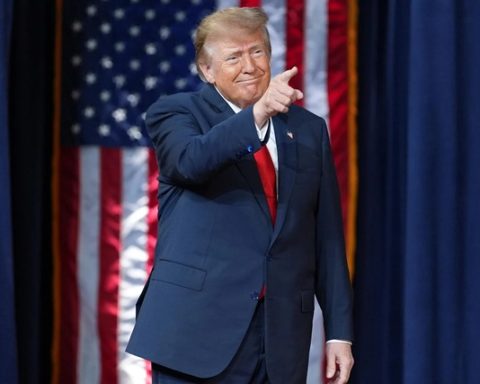
Within the NATO alliance, member states are also increasing defense budgets. In the United States, spending is expected to rise further in the coming fiscal cycle, with the administration of President Donald Trump proposing a significant increase for the Pentagon budget, from roughly one trillion dollars to 1.5 trillion. While political resistance in Congress makes the full proposal unlikely, analysts expect a final agreement that still represents a notable increase over current levels.
European NATO members are also preparing additional increases in defense spending. Financial projections cited from BNP Paribas estimate that European Union defense expenditure could accelerate further in 2026, rising from 2.15 percent of GDP to approximately 2.5 percent, with an additional increase of around 80 billion euros. NATO countries collectively account for an estimated 55 percent of global military spending.
Country-level data underscores the scale of global defense investment. The United States remains the largest military spender by a wide margin, followed by China, Russia, Germany, and India. Other major contributors include the United Kingdom, Ukraine, Saudi Arabia, France, and Japan. The figures also reflect sharply varying defense burdens, with Ukraine allocating a particularly high proportion of its GDP due to ongoing conflict.
The global arms buildup is driven by multiple intersecting factors. Analysts point to Russia’s war in Ukraine as a major catalyst that has reshaped security policy across Europe and beyond. China continues to steadily increase its defense budget at an average rate of around 7 percent, reflecting long-term strategic competition with the United States. Meanwhile, regions such as Southeast Asia and parts of the Middle East are also increasing military spending amid regional tensions and shifting alliances.
Experts cited in the analysis argue that technological transformation is further accelerating the arms race. The integration of artificial intelligence, robotics, and automated systems into military planning is reshaping defense capabilities and intensifying competition among global powers. Economic factors also play a role, with several governments viewing defense spending as a driver of industrial policy and economic growth.
A further structural factor is the erosion of international arms control agreements. The expiration of the New START treaty between the United States and Russia, combined with the lack of progress on broader non-proliferation negotiations, has left major gaps in the global regulatory framework governing nuclear weapons. Although the total number of deployed nuclear warheads has not risen significantly, significant investment is being directed toward modernization and renewal of existing arsenals.
The defense industry has expanded alongside rising budgets. The top global arms manufacturers, including firms based in the United States, United Kingdom, Russia, and China, have seen substantial growth in revenue over the past two decades. Emerging defense-related technology companies, particularly those focused on data systems and artificial intelligence, have also gained prominence within the sector.
Despite historical examples where high military spending has coincided with deterrence rather than direct conflict, analysts warn that the combination of rising geopolitical tensions, technological disruption, and weakening institutional constraints is contributing to a prolonged and potentially unstable global arms race.