Global trade is on track for a stronger-than-expected rebound in 2025, with UN Trade and Development (UNCTAD) forecasting a 7% rise that would lift worldwide trade flows above $35 trillion for the first time. The agency’s year-end Global Trade Update shows that East Asia, Africa and South–South trade are delivering the strongest momentum, even as geopolitical uncertainty clouds the outlook for 2026.
According to UNCTAD, global trade is expected to increase by roughly $2.2 trillion next year. Manufacturing – particularly electronics connected to surging AI investment – remains the core driver of growth, while energy and automotive sectors continue to lag. Goods and services trade expanded through the second half of 2025, though at a slower pace. Between July and September, global trade rose 2.5% compared with the previous quarter, with goods up nearly 2% and services up 4%. Fourth-quarter gains are expected to moderate to 0.5% for goods and 2% for services.
A notable shift is emerging in trade pricing. After two quarters of rising values partly driven by higher prices, goods prices are now projected to decline. This means the expansion in late 2025 is being powered by higher shipment volumes rather than inflation, a signal of stabilizing demand even as global price pressures ease.
Growth is being fuelled most strongly by developing regions. East Asia recorded 9% export growth over the past year, bolstered by a 10% jump in intra-regional trade. Africa also posted robust numbers, with imports rising 10% and exports 6%. South–South trade expanded around 8%, reflecting deeper ties among developing economies. China and the Republic of Korea stood out in East Asia, while Brazil and South Africa were key contributors in South America and Africa. India and China also delivered some of the fastest growth in services exports.
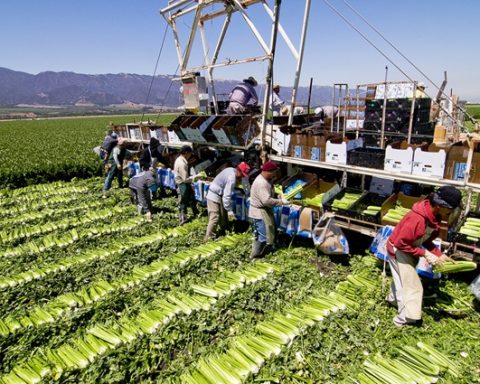
Sector performance varied sharply. Manufacturing expanded 10%, driven by a 14% surge in electronics and double-digit gains in agriculture, including cereals and fruits and vegetables. The automotive sector contracted 4%, with declines in both combustion-engine and electric vehicle trade. Fossil-fuel flows continued to shrink due to lower prices, while battery and critical mineral trade saw mixed results.
Despite the recovery, underlying vulnerabilities persist. Global trade imbalances remain high, and geopolitical fragmentation continues to reshape supply chains. UNCTAD reports a renewed rise in friendshoring and nearshoring trends, as countries shift commerce toward politically aligned or geographically closer partners. Trade concentration has also increased, further altering global patterns.