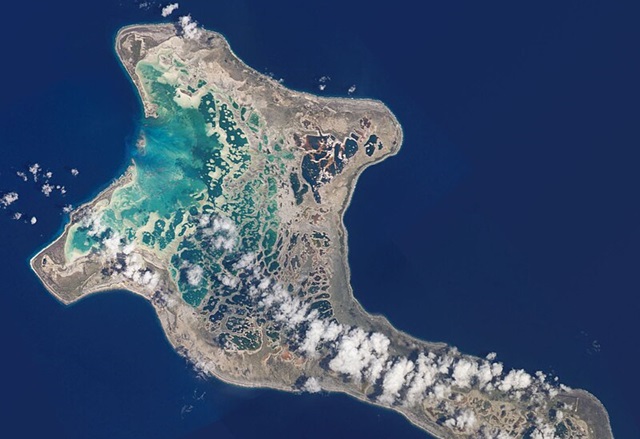
Google is planning a large artificial intelligence data centre on Australia’s remote Christmas Island, located 350 kilometers south of Indonesia, following a cloud deal signed earlier this year with the Australian Department of Defence, according to documents reviewed by Reuters and interviews with officials. The project, previously unreported, has many details still under wraps, including its size, cost, and potential applications, but military experts see it as a strategic asset in a region of growing geopolitical tension.
Officials said Google is in advanced talks to lease land near the island’s airport for the data centre and has negotiated with a local mining company to secure the facility’s energy needs, according to council meeting records and statements to Reuters. Alphabet Inc., Google’s parent company, declined to comment, and the Department of Defence also had no comment on the plans.
The island is increasingly featured in Australian, U.S., and Japanese military exercises as a forward line of defense, particularly in monitoring Chinese submarine and naval activity in the Indian Ocean. A recent tabletop war game highlighted Christmas Island’s strategic advantage for deploying uncrewed weapons systems, and former U.S. Navy strategist Bryan Clark told Reuters that the proposed data centre could serve as an AI-enabled “command and control” node critical in crises. Subsea cables linking the facility to Darwin would provide higher bandwidth and reliability than satellite communications, which could be vulnerable to disruption.
In July, Australia’s defence department entered a three-year cloud agreement with Google, similar to a recent British military cloud deal aimed at enhancing intelligence sharing with the United States. Google has applied for environmental approvals to build the first subsea cable connecting Christmas Island to Darwin, to be installed by U.S. company SubCom, which previously connected the military base at Diego Garcia to undersea cables across the Indian Ocean.
Local officials are weighing the potential benefits and impacts of the project. Christmas Island, home to 1,600 residents and known for its annual red crab migration and former asylum seeker detention centre, has struggled with poor telecommunications and limited job opportunities. Shire President Steve Pereira told Reuters that the community supports the project if it brings infrastructure, employment, and economic value. The island’s residents have had mixed reactions to increased defense activity, with some fearing tourism impacts while business groups anticipate economic gains.
Experts say the location offers commercial and defense advantages, sitting between Africa, Asia, and Australia, and enabling monitoring of key maritime chokepoints such as the Sunda, Lombok, and Malacca Straits. Retired Navy Commodore Peter Leavy, who has guided defense groups to the island, described Christmas Island as “quite well positioned” to support surveillance and command operations in the Indian Ocean, highlighting its growing strategic relevance.