As nations ramp up investments in green innovation to win the global clean-tech race, a new analysis published by Nature cautions that the competition alone may not be enough to avert environmental disaster. While the surge in green technologies could boost prosperity and reshape industries, it risks sidelining true sustainability unless paired with global cooperation and meaningful environmental reform.
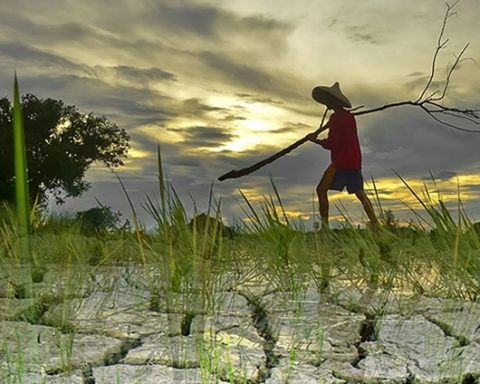
According to the report in Nature, the world is grappling with unprecedented ecological degradation. Since 1970, human activity has altered three-quarters of terrestrial environments and two-thirds of marine habitats. Key ecosystem services—like pollination, water purification, and climate stability—have sharply declined, and wildlife populations have plummeted by 73%. These warnings set the backdrop for a sobering conclusion: economic growth driven by green innovation may still fall short if nature continues to be undervalued and underprotected.
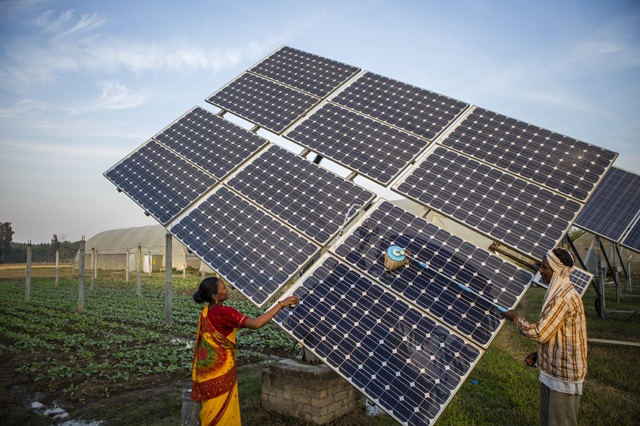
The study outlines how global economies are responding in two diverging ways. Some continue to exploit and pollute ecosystems to keep resource costs artificially low. Others have launched an intense race to dominate green markets—investing in solar power, wind energy, electric vehicles, and carbon credit systems. Countries like China, Germany, the United States, and South Korea are emerging as leaders in this green competition, expanding their market share in clean energy and sustainable manufacturing.
However, Nature warns that the benefits of this green race could be undermined by a phenomenon dubbed “green mercantilism.” Instead of encouraging collaboration, countries are adopting protectionist industrial policies to shield their domestic green sectors. Following the U.S. Inflation Reduction Act of 2022, for example, the EU, China, and India have introduced their own tax breaks and subsidies, often favoring national industries over global cooperation. This trend risks fragmenting markets and slowing the global spread of vital green technologies.
Moreover, the report highlights that many of nature’s most critical services—like a stable climate and freshwater supply—remain unpriced and invisible in economic decision-making. Governments still provide an estimated $1.8 trillion annually in environmentally harmful subsidies, from fossil fuels to industrial agriculture. Meanwhile, global spending on nature conservation is only a fraction of what’s needed, with a financing gap of over $500 billion annually.
Businesses, too, are lagging. While over half of global GDP depends on nature, corporations are investing only a tiny percentage into making supply chains environmentally sustainable. The gap between dependency and investment remains one of the green economy’s largest blind spots.
Despite these structural issues, the momentum behind the green race continues to build. According to data cited in Nature, countries like Taiwan, Germany, Canada, and France are well-positioned to lead, with strong green technology sectors and rising innovation. Meanwhile, emerging players like India, Spain, and Turkey are stepping up investments, signaling a more competitive global field.
The report concludes with a clear call to action: green innovation must go hand-in-hand with systemic changes that value nature properly, eliminate harmful subsidies, and promote international collaboration. Without these measures, the green race might lead to cleaner technologies—but not a more sustainable planet.
As the world faces an age of ecological scarcity, the decisions made today will determine whether green prosperity can truly coexist with planetary stability. Nature leaves us with a sobering reminder: technology alone cannot save the Earth—it must be guided by coordinated, equitable, and ecologically sound policy.