


The 2026 FIFA World Cup is producing more than memorable goals and dramatic results. Behind the action on the pitch, the tournament has also become a stage for stories about identity, strategy, personality and power. In their weekly World Cup column for Die Zeit, actor Matthias Brandt and ZEIT author Peter Kümmel explore the moments that reveal football’s contradictions — from the joy surrounding Norway’s success to the controversies surrounding gamesmanship and influence beyond the field.
Norway’s victory over Brazil takes centre stage in their conversation, with Brandt reflecting on a connection that goes beyond football. His mother, Rut Brandt, was Norwegian, while his father, Willy Brandt, was German. After Germany’s elimination from the tournament, Norway became his second home team. The team’s success against Brazil brought back emotions he had not expected, Brandt said, particularly because of the happiness it created among Norwegian supporters.
For Brandt, the celebration itself was almost more meaningful than the result. He described taking pleasure in seeing others experience joy, especially as Norway embraced a historic moment with a mixture of pride and humour. At the heart of that success has been Erling Haaland, whose performances have made him one of the defining figures of the tournament.
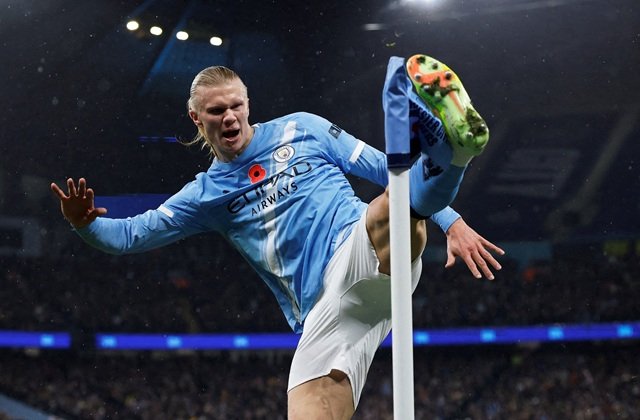
Haaland’s personality fascinated Brandt. After scoring his second goal against Brazil, the Norwegian striker appeared almost apologetic, as if surprised by his own impact. Brandt described him as “the Obelix of football” — a player whose physical strength suggests he could tear down a goalpost on a whim, yet whose demeanour carries the innocence of a child. For Brandt, Haaland represents a rare combination in football: aggression and kindness existing side by side.
The discussion also turns to Norway’s wider national image during the tournament. Kümmel and Brandt examine how Norwegian supporters have embraced Viking imagery while maintaining a sense of humour about it. Brandt argues that the ability to laugh at one’s own traditions separates cultural celebration from more serious forms of national identity. The humour, he says, is what keeps the symbolism from becoming something else.
But alongside the celebrations, the pair examine the more controversial aspects of the World Cup. Kümmel raises several incidents from the tournament, including a Paraguayan player allegedly damaging the penalty spot to influence an opponent’s shot, Mexican fans causing disturbances outside England’s hotel, and a reported intervention involving the US president and FIFA president Gianni Infantino over a red-card decision affecting an American player.
Brandt describes the first incidents as familiar elements of football’s darker tactical world, often referred to in English football culture as “dark arts”. However, he views the political intervention involving FIFA as belonging to a different category. The episode, he says, raised questions about the relationship between sporting decisions and outside influence.
The France-Paraguay match becomes another example in their discussion of football’s psychological battles. Brandt portrays Paraguay’s approach as unusually aggressive and provocative, saying the team appeared less focused on simply winning and more intent on creating a hostile atmosphere. France, however, remained composed and refused to be drawn into confrontation. Brandt highlights this reaction as a sign of confidence: the refusal to respond became the strongest response.
The conversation then shifts to the broader structures surrounding football. Brandt reflects on how perceptions of FIFA have changed, saying that earlier criticism often focused on corruption but that recent controversies have created a different public image, one involving highly visible personalities and political connections. He argues that the idea of decisions being influenced through personal intervention changes the nature of the debate around the sport.
German football also features prominently in the discussion, particularly the apparent transition from Julian Nagelsmann to Jürgen Klopp at the German Football Association. Kümmel recalls a moment after Germany’s defeat to Paraguay when Klopp and television presenter Johannes B. Kerner lowered their voices as Nagelsmann approached during a discussion on MagentaTV. Brandt said the scene created the impression that discussions about the future were already taking place while the current coach remained in his position.
Brandt’s view of Klopp is equally complex. He says he admired Klopp for years and regarded him as an exceptional coach. However, he now feels that Klopp’s public image has become increasingly connected to his role as a commercial brand. With numerous advertising partnerships, Brandt suggests that the boundaries between personality, business and public identity have become increasingly difficult to separate.
At the same time, Kümmel points to Klopp’s criticism of figures outside football who attempt to influence the game, suggesting that there remains a side of Klopp that speaks from a different place than his commercial image. Brandt responds that he hopes that aspect of Klopp’s personality continues to define him.
The discussion ends with a look at football moments that could endure beyond the tournament. As the sport marks 50 years since Antonín Panenka’s famous penalty technique became part of football history, Brandt identifies Haaland’s second goal against Brazil as a potential defining moment of the current World Cup. The shot, struck from a standing position with remarkable power and precision, represented a level of technical execution that he believes could set a new standard.
For Brandt, Panenka’s lasting legacy comes not only from the penalty itself but from the fact that his name became a verb in football language. Few players create something that survives as a permanent part of the sport’s vocabulary.
From Haaland’s extraordinary finishing to debates over tactics, influence and identity, the 2026 World Cup continues to produce stories that extend far beyond the final score. Through their column in Die Zeit, Matthias Brandt and Peter Kümmel capture a tournament where football’s biggest moments are shaped not only by what happens on the pitch, but also by the personalities and forces surrounding it.










