Losing a tooth often leaves people with limited options for replacement, such as titanium implants or plastic dentures. However, groundbreaking research from Tufts University School of Dental Medicine, highlighted in MIT Technology Review, suggests a future where bioengineered teeth could provide a more natural alternative. Pamela Yelick and Weibo Zhang have successfully grown toothlike structures using a mix of human and pig cells, marking a significant step toward creating lab-grown teeth that could one day replace damaged ones.
Traditional tooth loss replacements, like titanium implants, offer function but fall short in replicating the true complexity of natural teeth. These implants often fail to align perfectly with existing teeth, can cause bone loss due to uneven pressure, and are prone to infections, such as peri-implantitis. Despite their widespread use, these implants still can’t mimic the complete structure and resilience of a biological tooth.
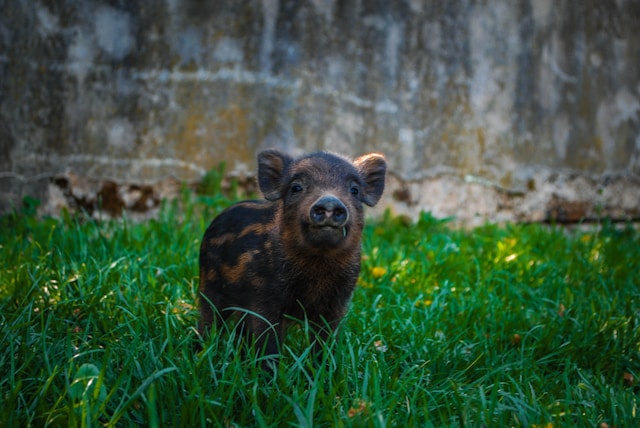
Yelick and Zhang, who have spent decades advancing this field, have now made a major breakthrough by cultivating tooth-like structures that resemble natural human teeth. Their work utilizes cells from pig jaws—where multiple sets of teeth are grown over a pig’s lifetime—combined with human tooth cells to create bioengineered tooth substitutes.
The team’s previous experiments have successfully used biodegradable scaffolds to grow cells into toothlike forms inside rats, and the results were promising. But their latest work, reported in MIT Technology Review, represents a critical leap toward growing truly functional, living teeth that could one day replace human teeth lost to decay or injury.