


A protein associated with the formation and maintenance of long-term memories has been shown to reverse age-related memory decline in fruit flies, offering a new explanation for why the brain gradually loses

A protein associated with the formation and maintenance of long-term memories has been shown to reverse age-related memory decline in fruit flies, offering a new explanation for why the brain gradually loses
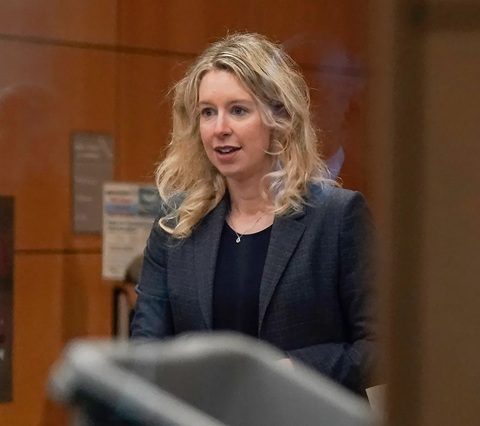
The release of You Can See Everything, a film documenting the final weeks before Elizabeth Holmes went to prison in 2023, has returned the disgraced entrepreneur and her failed blood-testing company, Theranos, to public attention. But while the film revisits
Google has announced a new collection of artificial intelligence research developments spanning healthcare, disaster forecasting, scientific discovery and business analytics, including tools designed to
A Neanderthal who died from a penetrating spear wound about 75,000 years ago had previously survived a severe facial injury that may have required
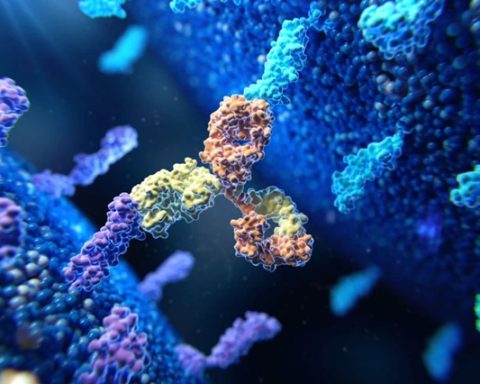
A protein associated with the formation and maintenance of long-term memories has been shown to reverse age-related memory decline in fruit flies, offering a new explanation for why the brain gradually loses
More
The release of You Can See Everything, a film documenting the final weeks before Elizabeth Holmes went to prison in 2023, has returned the disgraced entrepreneur and her failed blood-testing company, Theranos,
More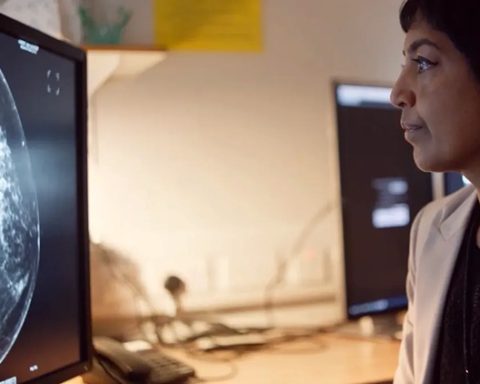
Google has announced a new collection of artificial intelligence research developments spanning healthcare, disaster forecasting, scientific discovery and business analytics, including tools designed to help researchers predict flash floods, support clinical consultations
More
A Neanderthal who died from a penetrating spear wound about 75,000 years ago had previously survived a severe facial injury that may have required prolonged care from others, according to a study
More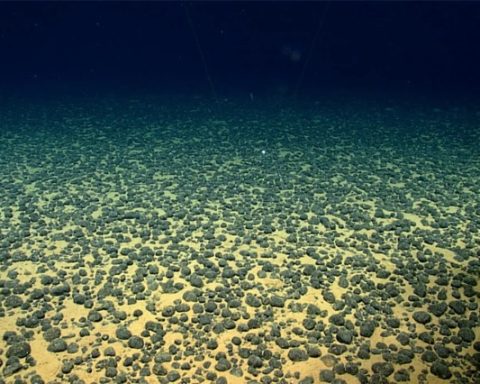
Billions of potato-shaped metallic nodules lie scattered across the Pacific seabed between Mexico and Hawaii, as deep as 6,000 metres below the surface. The Clarion-Clipperton zone is considered a potentially major source
More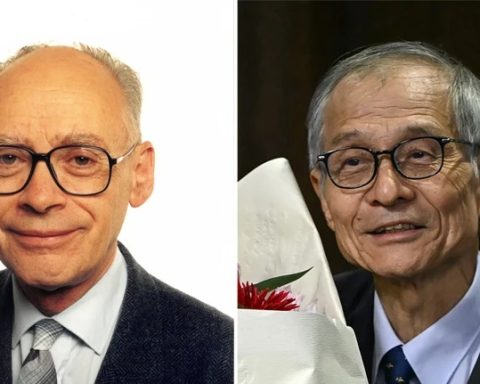
Henri Kagan of the University of Paris-Sud in Orsay, France, and Kenso Soai of Tokyo University have won this year’s Nobel Prize in Chemistry for solving a century-old question about how chemical
More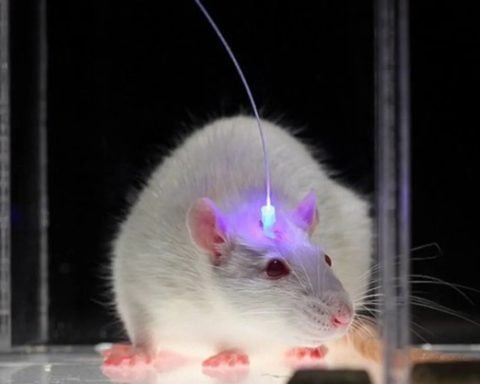
American scientist Karl Deisseroth and German researchers Peter Hegemann and Georg Nagel have won the 2026 Nobel Prize in Physiology or Medicine for discoveries that transformed scientists’ ability to study the brain
More
China is offering 15-year research grants to a select group of exceptionally talented young scientists as it seeks to strengthen basic research and accelerate technological development. The initiative, announced by Dou Xiankang,
More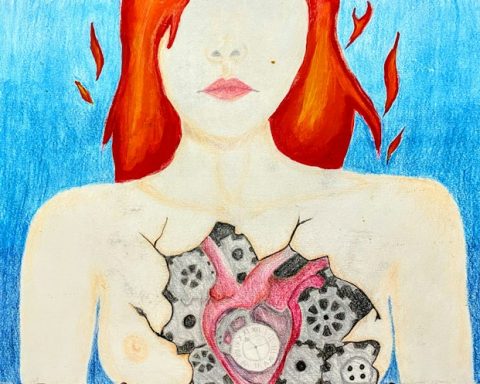
Hearts appear to change their biological age after transplantation, with young donor organs showing accelerated ageing in older recipients and older hearts displaying signs of rejuvenation when placed in younger bodies, according
More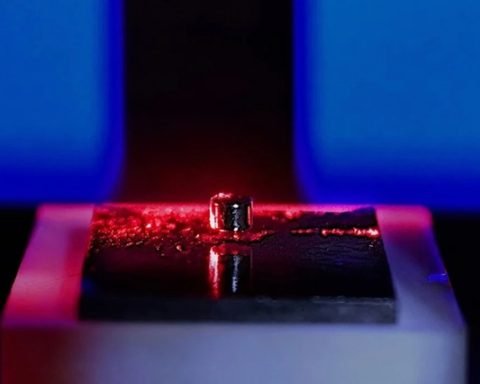
A Chinese-German research team has developed an ultra-sensitive magnetic sensor capable of detecting signals a billion times fainter than Earth’s magnetic field, creating a potential new tool for the search for elusive
More
Can science prove that there is an existence beyond death? The question has traditionally belonged to religion and philosophy, but a growing group of doctors, neuroscientists, physicists and other researchers are examining
More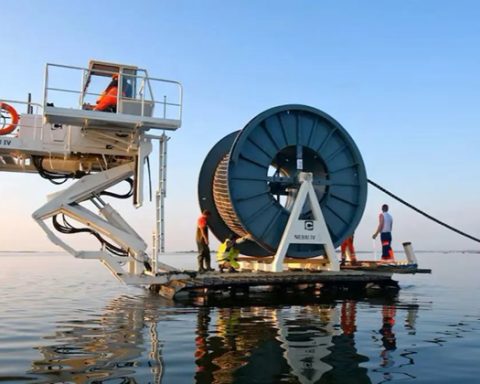
Military researchers say the submarine cable network carrying 99 per cent of global intercontinental data traffic and supporting an estimated US$10 trillion in daily cross-border financial transactions is becoming increasingly vulnerable as
More A new generation of cancer therapies is rapidly transforming oncology as bispecific antibodies move from scientific promise to clinical reality. Reported by Nature, researchers are now developing increasingly sophisticated multispecific antibodies capable
More
A Nature investigation has revealed mounting concerns over the emergence of so-called “review mills”, exposing how duplicated peer-review reports, questionable citation practices and mounting pressures within academic publishing are challenging confidence in
More
The human heart has long been viewed as an organ that faithfully responds to signals from the brain, beating faster or slower according to the body’s needs. New research, however, suggests that
More