


A protein associated with the formation and maintenance of long-term memories has been shown to reverse age-related memory decline in fruit flies, offering a new explanation for why the brain gradually loses

A protein associated with the formation and maintenance of long-term memories has been shown to reverse age-related memory decline in fruit flies, offering a new explanation for why the brain gradually loses

The release of You Can See Everything, a film documenting the final weeks before Elizabeth Holmes went to prison in 2023, has returned the disgraced entrepreneur and her failed blood-testing company, Theranos, to public attention. But while the film revisits
Google has announced a new collection of artificial intelligence research developments spanning healthcare, disaster forecasting, scientific discovery and business analytics, including tools designed to
A Neanderthal who died from a penetrating spear wound about 75,000 years ago had previously survived a severe facial injury that may have required

For more than half a century, philosopher Nancy Cartwright has examined one of the most fundamental questions in modern knowledge: how far can science truly explain the world around us? The American
More
Long before a person begins to forget names, faces, or familiar places, the brain is already fighting a hidden battle. As nerve cells gradually die and connections between them disappear, the brain
More
Iran is preparing to introduce AlphaZa, the country’s first domestically developed alpha-emitting radiopharmaceutical designed to treat advanced cancers resistant to conventional therapies, according to the head of the Atomic Energy Organization of
More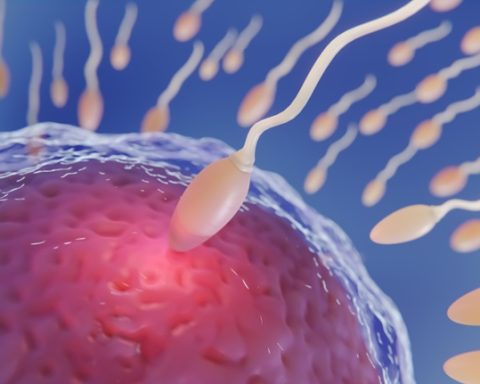
A new potential benefit has emerged for the latest generation of obesity medications: they may help improve male fertility by increasing testosterone levels and enhancing sperm quality, according to a preliminary review
More
Stressful moments such as job interviews or high-pressure public speaking may do more than just make people uneasy—they can fundamentally interfere with how the brain builds meaning from experience. A study published
More
The question sounds almost philosophical at first: how long can a civilization survive before it collapses? But the research highlighted by El País treats it as a systems problem rather than speculation.
More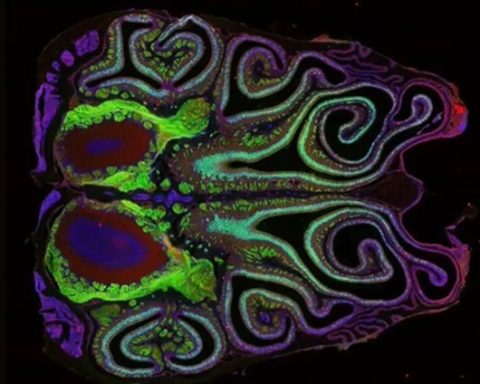
Researchers in the United States have created the first detailed map of smell receptors inside the nose. Published Tuesday in the journal Cell, the study marks a major step forward in olfaction
More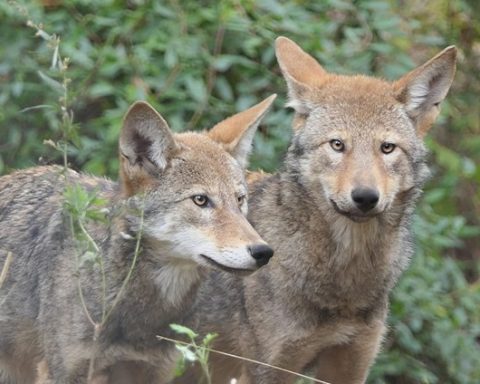
A bold claim by biotech company Colossal Biosciences has reignited one of conservation science’s most tangled debates: what exactly is a species, and can it truly be brought back once it has
More
Fusion power has long been portrayed as the ultimate clean energy solution: a nearly limitless, zero-emissions source of electricity capable of transforming global energy systems. But new research highlighted by MIT Technology
More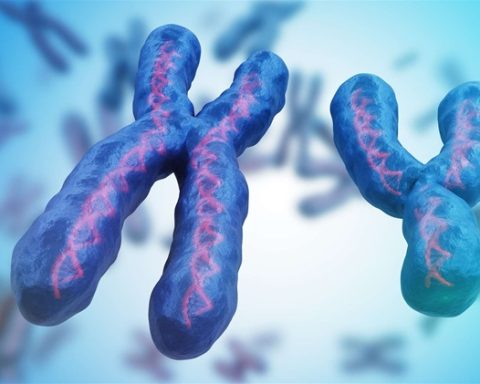
Scientists are increasingly rethinking the role of sex chromosomes in human health, with new research published in Nature highlighting how the X chromosome in particular may strongly influence disease susceptibility, drug responses,
More
Scientists have uncovered what they describe as a “secret subway system” inside the brain, revealing that star-shaped support cells called astrocytes form extensive long-distance networks previously unknown to neuroscience. The discovery, published
More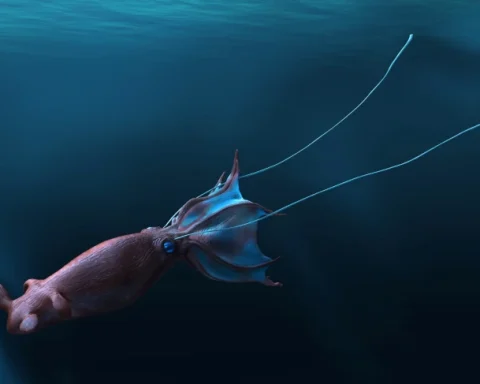
Ancient oceans may have been dominated not only by fearsome marine reptiles but also by colossal octopus-like creatures, according to new research published in Nature. Scientists studying fossilized jaws have identified extinct
More
Scientists have uncovered extensive differences in gene expression between male and female brain cells in a landmark study published in Science and reported by Nature, shedding new light on long-debated questions about
More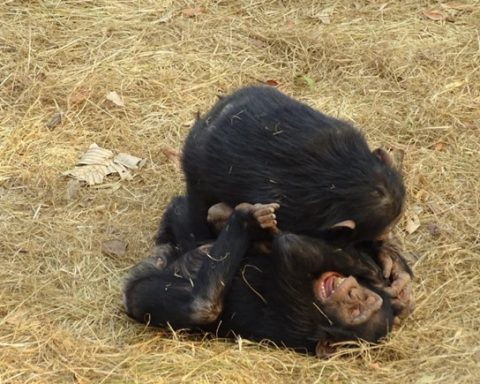
A groundbreaking study by the University of Portsmouth has revealed that great apes can mirror each other’s facial expressions with remarkable precision, offering new insights into the evolutionary roots of human communication.
More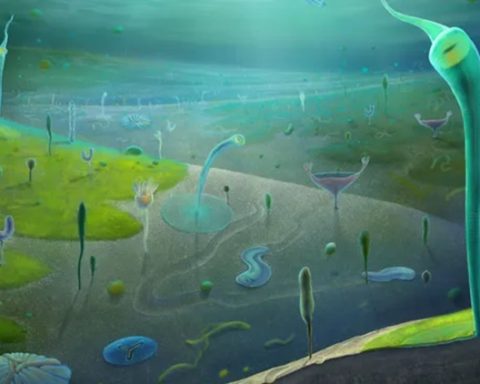
A newly discovered fossil site in southwestern China is rewriting the history of early animal life, revealing a surprising diversity of complex creatures that thrived before the famed Cambrian explosion. Previously, scientists
More