


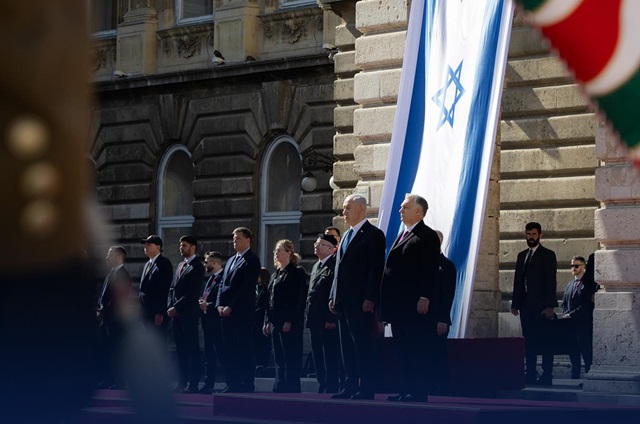
Hungary has officially initiated the process of withdrawing from the International Criminal Court (ICC), making it the only EU member and NATO country, besides the US and Turkey, to take such a stance. The decision, announced on Thursday by Hungary’s cabinet chief, Gergely Gulyás, comes as Israeli Prime Minister Benjamin Netanyahu begins a four-day visit to Budapest, a trip that highlights the country’s defiance of both European Union partners and NATO allies on matters of international justice.
This move marks a significant shift in Hungary’s relationship with the ICC, which it has long criticized, particularly over an arrest warrant issued for Netanyahu last year. The ICC sought Netanyahu’s arrest in connection with alleged war crimes and crimes against humanity during Israel’s war with Hamas in Gaza following the group’s deadly attack on southern Israel on October 7, 2023.
Hungary’s decision to begin the formal withdrawal process aligns with its constitution and international legal obligations, according to Gulyás. It comes as Hungary continues to support Netanyahu, who is wanted by the ICC. Budapest has voiced strong opposition to the arrest warrant, framing it as another form of antisemitism propagated by international institutions, including the United Nations.
Hungary’s Foreign Minister Péter Szijjártó went so far as to say earlier this year that the ICC had lost its credibility with the issuance of the warrant against Netanyahu. Other European nations, such as Germany, which are also signatories to the ICC’s Rome Statute, have signaled that they would host Netanyahu and find ways to avoid arresting him during his visits.
The European Union has expressed regret over Hungary’s decision. A spokesperson for the EU Commission’s foreign affairs office said on Tuesday that Brussels would “deeply regret” such a move and emphasized that withdrawal from the ICC would take effect one year after the notification to the UN secretary-general. However, the spokesperson also noted that the withdrawal would not absolve Hungary of its duty to cooperate with ongoing ICC investigations.
The political fallout from Hungary’s withdrawal could have broader implications for European and NATO unity, especially regarding how the EU handles cases involving allegations of war crimes or crimes against humanity. As the relationship between Hungary, the EU, and international justice frameworks continues to evolve, the move signals a deeper rift within Europe over the role of international courts in holding world leaders accountable.











