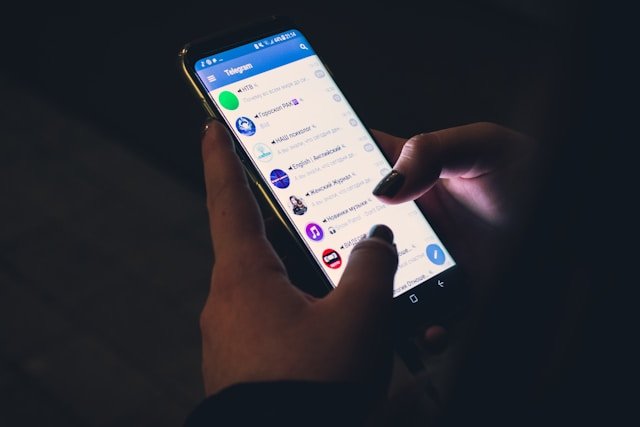
India has temporarily blocked access to the Telegram messaging application until June 22, citing allegations that the platform was used by groups attempting to defraud candidates in a national medical entrance examination, according to a report by Reuters. The government said the restriction was introduced to protect the integrity of the examination process after authorities identified the use of Telegram by alleged cheating networks.
The Ministry of Education said India had restricted access to Telegram for a limited period under provisions of the country’s Information Technology law. The government said the measure was taken in the interest of maintaining the “sovereignty and integrity of India,” a legal provision that allows authorities to block access to online platforms.
According to Reuters, activists have previously criticised the use of this legal provision, arguing that it can be used to restrict freedom of expression. Prime Minister Narendra Modi’s government has maintained that such actions are carried out within the law and in the public interest.
The decision follows a controversy surrounding the National Eligibility cum Entrance Test (NEET), a nationwide examination required for admission to medical colleges. The Indian government cancelled a previous undergraduate medical entrance exam after authorities discovered that examination questions had been leaked before the test.
The leak triggered protests by students across several parts of India, with demonstrations calling for accountability over the examination process. The government has scheduled a new examination for June 21.
The Ministry of Education’s National Testing Agency said the Telegram restriction was introduced after evidence of organised cheating activity linked to the platform. The agency said the measure was taken in response to the alleged use of Telegram by cheating networks to target candidates preparing for the NEET 2026 re-examination.
Telegram did not immediately respond to a request for comment from Reuters.
Telegram has experienced rapid growth in India, which is its largest market by downloads, although WhatsApp remains the country’s most widely used messaging application. Reuters reported that the temporary restriction represents a significant intervention against a platform used by millions of people for purposes beyond politics and news.
The government said it recognised the disruption caused by blocking the application but described the action as a last resort. Authorities said previous efforts to remove allegedly harmful content from Telegram had not produced sufficient results, leading to the decision to restrict access to the service.
The impact of the order on telecommunications providers remained unclear. Reliance Jio, Bharti Airtel and Vodafone Idea, which together provide services to more than one billion mobile connections in India, did not immediately respond to requests for comment on whether they had received and implemented the government directive, according to Reuters.
Questions also remained over whether technology companies responsible for app distribution had received instructions from Indian authorities. Alphabet’s Google, which operates the Play Store where most Indian users download Telegram, and Apple did not immediately respond to requests for comment on whether they had been directed to restrict the application.
The temporary ban comes as Indian authorities face pressure to address security concerns surrounding major examinations. The government has linked the Telegram restriction directly to efforts to prevent further attempts to compromise the upcoming NEET re-examination.