India is intensifying its efforts to finalize a free trade agreement (FTA) with the United Kingdom as the country navigates the economic fallout from newly imposed US tariffs. With global trade tensions escalating, India’s Finance Minister Nirmala Sitharaman expressed hopes of concluding the trade talks “sooner rather than later.”
Sitharaman’s remarks came during her visit to London, where she met UK Chancellor Rachel Reeves as part of the ongoing 13th UK-India Economic and Financial Dialogue. India has been actively pursuing new bilateral trade agreements, and the UK has become a key partner in these efforts. “India is looking at many bilateral arrangements,” Sitharaman stated, highlighting recent agreements with countries like Australia, the UAE, and Oman, and emphasizing the importance of developing strong trade ties with the UK and the European Union.
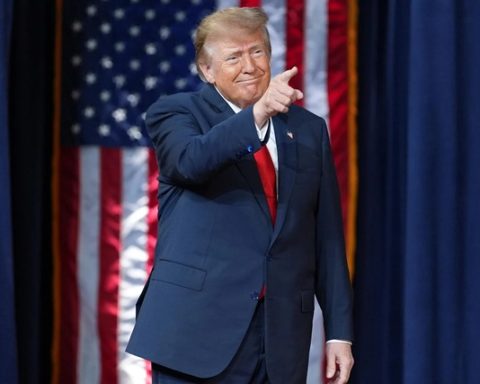
The urgency to secure such deals is partly driven by the economic challenges triggered by the imposition of US tariffs. On April 2, US President Donald Trump announced new import duties on goods, impacting both British and Indian exports. Sitharaman, however, downplayed the direct connection between the tariffs and the acceleration of trade talks with the UK, but acknowledged that the global economic instability resulting from these tariffs was a key factor influencing India’s trade strategy.
India and the UK have been negotiating an FTA since January 2022, but talks were revitalized under the UK’s new Labour government. The UK government is seeking to reduce Indian tariffs on goods like whisky and automobiles, and expand access for its financial and legal services. In exchange, India is pushing for easier visa processing for Indian professionals and greater flexibility in the UK’s immigration policies, particularly regarding business and work visas.
Central Bank of India Responds to Economic Pressures: Rate Cuts and Lower Growth Projections
In response to the economic uncertainty caused by global trade disruptions, including the US tariffs, the Reserve Bank of India (RBI) has cut interest rates for the second time this year. The RBI reduced its repo rate from 6.25% to 6%, aiming to stimulate lending and investment in a slowing economy. The central bank also revised its growth forecast for the fiscal year 2024-25, lowering it from 6.7% to 6.5%, reflecting the strain on economic activity due to global economic headwinds, including the tariff impacts.
RBI Governor Sanjay Malhotra, in his address, explained that while growth is improving after a weak start to the year, it remains lower than expected. The rate cut was accompanied by a shift in the RBI’s policy stance from “neutral” to “accommodative,” signaling a readiness to implement further cuts if needed to bolster economic growth.
The RBI’s decision mirrors global trends, as central banks in other countries, such as New Zealand, have also reduced rates to soften the blow of tariffs and trade disruptions. While India faces a 26% tariff imposed by the US on its imports, this is relatively lower compared to the higher tariffs placed on China, Vietnam, and Cambodia. Nonetheless, the tariff war between the US and China, coupled with the uncertainties in global trade, has led to concerns over a potential slowdown in the global economy.
India’s central bank has taken a cautious approach, recognizing the need to balance growth-supportive policies with inflation management. Inflation is projected to ease slightly to 4%, providing the RBI with room to continue rate cuts without stoking inflationary pressures.
UK-India Trade Relations and Global Economic Strategies
As the UK and India continue to negotiate their free trade agreement, both nations are keenly aware of the broader economic challenges posed by the shifting global landscape. For India, strengthening its bilateral trade ties with the UK offers a strategic opportunity to reduce reliance on the US and diversify its trade relationships.
In the coming months, the UK-India FTA could provide a boost to both economies by facilitating smoother trade flows and greater collaboration in sectors like technology, education, and services. The agreement would also help India mitigate the impact of the US tariffs and continue to drive growth despite global economic pressures.
Meanwhile, India’s central bank remains focused on managing domestic economic conditions, including responding to external shocks like the US tariffs. With growth projections slightly lowered and global uncertainties increasing, the RBI’s policy moves will be crucial in helping the Indian economy navigate the turbulent global trade environment.