In the small Brazilian town of Belém do Solimões, community activist Josiane Otaviano Guilherme points to a cluster of huts where crack cocaine is openly sold. “It’s like a kind of street market,” she told the Financial Times, recalling instances of parents feeding beer to babies while using drugs themselves.
The revelations came during an indigenous summit in Tabatinga, on the border with Colombia, where villagers described the devastating impact of the cocaine trade on their communities. Over the past decade, traffickers have used the Amazon River as a corridor to export cocaine from Peru and Colombia to Europe and Africa, often coercing indigenous populations into storing and selling the drug while also introducing crack addiction to children.
“Today we are asking for help,” said Carlos, a local villager. “We have people from the outside bringing in drugs and selling them in our community. We demand security but have received no answers so far.” Another tragic case cited by Otaviano involved a mother chaining her addicted son to prevent him from visiting a local crack den, where he had been held for three months.
Brazil is the world’s second-largest consumer market for cocaine after the United States. Last year, authorities seized 128 tonnes of cocaine, but law enforcement admits these figures represent only a fraction of the total smuggled. Local officials say they are severely outnumbered and outgunned by traffickers, who use speedboats with radar, night-vision, and Starlink internet connections to transport drugs downriver.
Francisco Gonçalves Peres, the local federal police chief, told the Financial Times that organized crime has deliberately targeted indigenous communities, creating an “explosion in drug consumption.” Police raids have uncovered large cocaine caches, including four tonnes stored in a single house in the village of San Rafael.
Traditionally, indigenous Amazon communities did not use cocaine, which originates from the Andean highlands. But traffickers have developed coca plants that thrive in lower-altitude Amazon regions, establishing plantations and processing labs in neighboring Peru. The promise of quick money has led locals, including minors, to sell drugs, inadvertently exposing themselves and others to addiction.
Community leaders warn that the situation has worsened in recent years, with many young people abandoning school to participate in the drug trade. Nelly Duarte, a representative of Brazil’s indigenous agency Funai, noted that locals often see traffickers as providers in the absence of state support. Hueney Herlón Gomez, Tabatinga’s secretary of security, said the government has failed to replace policing resources dismantled under former President Jair Bolsonaro, leaving organized crime free to dominate.
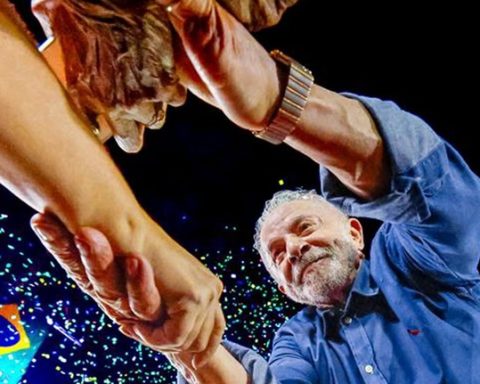
President Luiz Inácio Lula da Silva’s administration has pledged to restore protections for native peoples and the environment, but local communities say promises have yet to translate into action. “In the absence of the state, organized crime has taken over,” Gomez said. “It’s all about money — dollars flowing from addicts in Europe, America, or Asia.”
The Financial Times reports that unless urgent intervention is made, indigenous Amazon communities risk further entrenchment in the cocaine trade, with devastating consequences for the next generation.