Indonesia has launched one of its largest corruption investigations in decades, targeting powerful oil trader Mohammad Riza Chalid in a sweeping $18 billion probe into state-owned energy giant PT Pertamina, Bloomberg reported. The case is seen as a critical test of President Prabowo Subianto’s pledge to clean up governance at the country’s biggest state enterprises.
Chalid, long known in Jakarta’s business and political circles as the “Gasoline Godfather,” built his fortune importing billions of dollars’ worth of oil products, primarily from Singapore. But with Indonesia pushing to reduce its reliance on costly fuel imports and overhaul Pertamina’s opaque procurement system, he has emerged as the most prominent figure yet ensnared in the anti-graft drive.
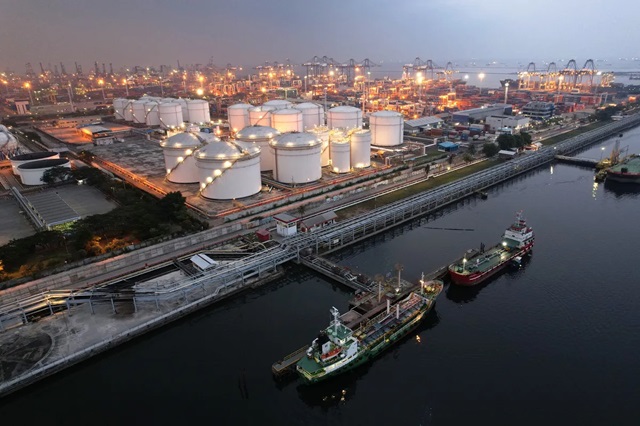
Authorities allege Chalid is the beneficial owner of PT Orbit Terminal Merak, which secured lucrative contracts with Pertamina through questionable storage deals. His son, Muhammad Kerry Adrianto Riza, has already been detained, while Chalid himself has ignored three summonses since February, when records show he left for Malaysia. Investigators have seized luxury cars and cash linked to the family, and officials say they will seek an Interpol Red Notice.
The probe centers on alleged irregularities in Pertamina’s crude and fuel imports between 2018 and 2023, which prosecutors estimate cost the state about 285 trillion rupiah ($18 billion). More than a dozen executives have been detained and over 250 witnesses questioned, making it one of the largest corruption cases since Indonesia’s transition to democracy.
“Prabowo wants to be seen as a clean president, the leader that is brave enough to eradicate corruption,” said Siwage Negara, a research fellow at Singapore’s ISEAS–Yusof Ishak Institute. “This is one thing the Prabowo administration needs to fix if they want to really improve governance within state-owned enterprises.”
Pertamina CEO Simon Aloysius Mantiri, appointed by Prabowo last year, apologized for the scandal but pledged to cooperate fully with investigators.
Chalid’s fall marks a dramatic reversal for a businessman who, at his peak, controlled as much as 70% of Pertamina’s Singapore-based trading arm, according to a 2015 audit. A discreet figure from Indonesia’s Arab minority, he cultivated deep political connections stretching back to the Suharto era, financed presidential campaigns, and diversified his wealth into plantations, real estate, and aviation. GlobeAsia once estimated his fortune at $460 million.
But Indonesia’s shifting energy strategy has eroded his influence. Prabowo has made cutting dependence on imported fuels a national priority, boosting local refining and diversifying suppliers away from Singapore.
“We are importing fuel from a country that does not even produce it. That is funny,” Energy Minister Bahlil Lahadalia said in May, underscoring Jakarta’s determination to reduce exposure to traders like Chalid.
Analysts say the probe is both a political statement and an economic necessity. “He’s not the only game in town anymore,” said Kevin O’Rourke, principal at Reformasi Information Services in Jakarta. “The government wants to send a signal that no player is untouchable.”