Indonesia’s mining industry is bracing for a turbulent period after the government announced significant increases in royalties on key mineral exports, including nickel, coal, copper, and gold. The move, aimed at shoring up strained state finances, has prompted warnings from miners of lower profits, production cuts, and potential mine closures.
The new policy, announced over the weekend, affects some of the world’s biggest mining groups such as Vale and Freeport-McMoRan. In a particularly sharp rise, the levy on nickel — a cornerstone of Indonesia’s mining sector — will jump from a flat 10% to a variable rate of 14% to 19%, depending on global market prices.
“This is an additional burden, especially because the regulation has been issued during a commodity price downturn,” said Hendra Sinadia, executive director of the Indonesian Mining Association. He added that operational costs would rise significantly, squeezing margins and potentially forcing some miners to cut output or even shut down operations.
Indonesia, the world’s largest producer of nickel — a critical metal for stainless steel and electric vehicle batteries — has rapidly expanded its nickel sector in recent years, attracting record levels of foreign investment. However, the industry has been facing mounting challenges, including falling metal prices, higher domestic costs from new taxes, and regulatory demands such as increased use of biodiesel and mandatory onshore retention of export earnings.
A sharp decline in nickel prices over the past three years has already pressured miners’ finances. New costs, including a hike in value-added tax (VAT) and fuel regulations, have compounded the strain.
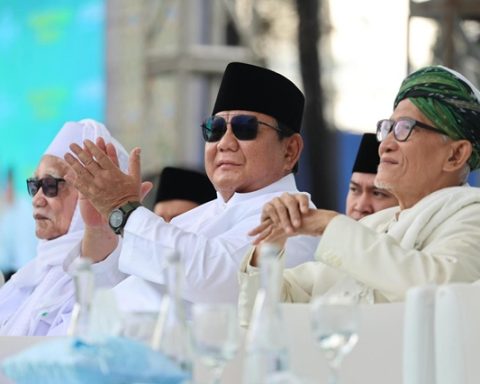
The government has defended the royalty increases as part of a broader strategy to ensure that Indonesia’s natural resources deliver “optimum benefits” for its population. Jakarta is under pressure to boost revenues to fund President Prabowo Subianto’s ambitious $28 billion program to provide free meals for schoolchildren and pregnant mothers. The government has also embarked on a $19 billion austerity campaign after a worrying drop in revenues during the early months of the year triggered stock market and currency sell-offs.
“The state budget is suffering . . . unfortunately, we are the only hope for the government,” Hendra said, pointing to the mining sector as a crucial revenue source.
Industry groups have criticized the timing of the royalty hike. The Indonesian Nickel Miners Association described it as “ill-timed,” warning it could deter investment, weaken the competitiveness of Indonesian nickel on the global market, and lead to mass layoffs.
A senior nickel executive, speaking anonymously, said miners without their own processing plants would be hit hardest. He warned that costs would inevitably be passed down the supply chain to smelters, potentially disrupting the broader nickel industry.