The ongoing military conflict between the United States, Israel, and Iran has triggered a sharp spike in global oil prices, presenting an unexpected windfall for American energy firms. According to estimates reported by the Financial Times, and based on analysis by investment bank Jefferies, US oil producers could reap as much as $63.4 billion this year if crude prices remain at current levels. The surge comes as Brent crude, the international benchmark, briefly topped $119 per barrel last Sunday, marking an increase of more than 30 percent amid fears of prolonged disruption to global supply.
The dramatic rise in oil prices coincides with uncertainty over the Strait of Hormuz, a critical chokepoint for roughly 90 percent of global crude oil trade. Iranian authorities have warned that the waterway is effectively closed to US and Israeli vessels, though no permanent physical barrier has been installed. The Guardian reports that over 1,000 cargo ships, primarily oil and gas tankers, have been delayed or blocked from passing through the strait. Analysts cited by The Economist suggest that if the disruption persists until the end of the month, crude prices could spike further, potentially reaching $150 or even $200 per barrel.
US President Donald Trump has publicly framed the situation as an economic opportunity, highlighting America’s position as the world’s largest oil producer. In a Truth Social post, he wrote, “The United States is the largest Oil Producer in the World, by far, so when oil prices go up, we make a lot of money.” The statement represents a pivot from previous messaging focused on keeping energy prices low and underscores the domestic financial benefits that high crude prices could provide to US producers.
Energy research firm Rystad quantified the potential gains, projecting a $63.4 billion increase in revenues for American oil companies if current prices persist through the year. Such windfalls are expected to come from production revenues rather than speculative trading, reflecting the scale of US output and the country’s extensive oil infrastructure. Analysts note that the surge in revenue could offset some of the broader economic pressures caused by higher fuel costs for consumers.
Rising oil prices, however, carry complex economic implications. Costs for gasoline, diesel, and transport have increased across the US, affecting consumers and businesses alike. The Wall Street Journal highlighted that while higher fuel costs place upward pressure on household expenses and the prices of goods and services, the financial strength of US oil producers could provide a buffer against the worst economic consequences, mitigating the impact on national energy security.
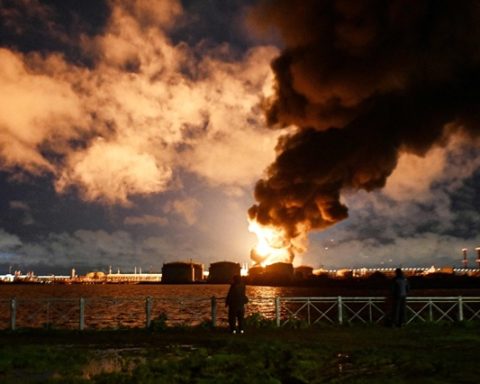
The global energy market remains acutely sensitive to developments in the Middle East. The conflict has exposed vulnerabilities in the international supply chain, with fears of further escalation in Iran potentially disrupting energy flows even more. Market analysts are closely monitoring military activity near key infrastructure, including oil fields, refineries, and maritime chokepoints, as any extended disruptions could further drive up prices and deepen the geopolitical stakes.
The Financial Times and Rystad estimates underscore the uneven nature of the economic effects. While American energy firms stand to profit handsomely, other countries heavily reliant on imported oil could face mounting costs, highlighting the global ripple effects of regional conflict. The situation also raises questions about the balance between national energy interests and international stability, particularly in a period of heightened geopolitical tension.
As the conflict continues, US policymakers are under pressure to manage both economic and strategic objectives. Reopening the Strait of Hormuz for safe passage of energy shipments remains a key concern, while ensuring that domestic companies can capitalize on the surge in prices adds another layer of complexity. Analysts suggest that the situation exemplifies how regional conflicts can have immediate and far-reaching consequences for global markets, benefiting some actors while straining others.
For American energy companies, the conflict has created a rare convergence of geopolitical disruption and financial gain. If oil prices sustain their elevated trajectory, the sector could experience its largest annual windfall in recent history, reinforcing the country’s position as a global energy powerhouse even amid regional instability.