Saudi Aramco’s recent letter to its international oil buyers revealed a stark new reality for the global energy market: uncertainty over export ports in April underscores Iran’s decisive role in controlling oil flows. The letter, reviewed by Reuters, stated that buyers could receive oil either from the Red Sea or the Gulf, reflecting the unpredictability caused by ongoing conflict in the region. One Saudi oil buyer remarked, “I might as well call Iran to find out when this war ends so I can get my oil,” highlighting the growing belief that Tehran will ultimately determine the duration of the crisis.
The International Energy Agency (IEA) has called the situation the most severe disruption to oil and gas supplies in history, prompting a 400-million-barrel emergency release—more than double its previous action in 2022—to stabilize global markets. Despite U.S. President Donald Trump signaling potential victory within days or weeks, Iran has retaliated with drone and missile attacks that have effectively blocked roughly 20% of the world’s oil and LNG supply passing through the Strait of Hormuz.
Industry executives warn that even if fighting were to cease immediately, U.S. assurances alone would not be enough to resume safe shipping. Tehran’s drone capabilities allow it to maintain disruption long after any declarations of victory by Washington or its allies. Naval escorts proposed by the U.S. could help, but only if Iran halts attacks, a senior Gulf energy official noted, while Neil Quilliam of Chatham House warned that Tehran might continue disruption if it feels the conflict’s outcome does not favor it.
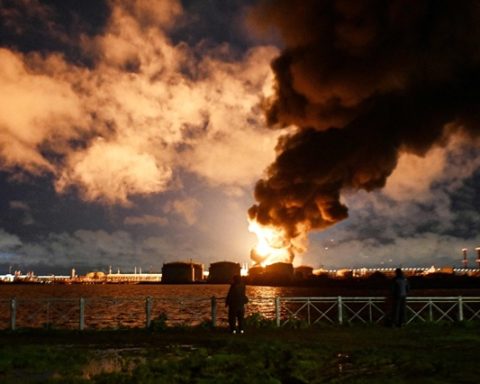
Recent attacks on the UAE’s Fujairah oil hub, alongside possible threats from Yemen’s Iran-aligned Houthis targeting Saudi Arabia’s Red Sea port of Yanbu, underline the widening risk to global energy and shipping. Analysts and industry insiders, cited by Reuters, note that confidence in regional supply routes has collapsed, raising insurance costs and extending repair timelines for damaged infrastructure.
The impact on production has been severe. Saudi Aramco has shut offshore fields Safaniya and Zuluf, cutting its output by 20%, while Iraq and the UAE have reduced production by 70% and 50% respectively. Total Middle East oil output cuts now reach 7–10 million barrels per day, equal to 7–10% of global demand, with Qatar also halting LNG production and delaying cargo deliveries until May. Analysts warn that even a rapid resolution would still result in weeks of disruption, delaying field restarts and risking long-term damage to reservoirs.
“It is simple—it is safety. We cannot risk lives,” said one industry source, summing up the precarious balance between energy security and geopolitical conflict that now defines the Gulf.