Iranian President Pezeshkian reiterated the country’s dedication to stability, peace, and regional security during a meeting with the new Swiss Ambassador to Tehran, Olivier Bangerter. The president emphasized that Iran has never sought nuclear weapons, urging Switzerland to convey this message to U.S. officials. Pezeshkian praised Switzerland’s neutrality and long-standing role as a communication channel between Tehran and Washington, particularly highlighting cooperation in the pharmaceutical and food sectors amidst the challenges posed by U.S. sanctions and policies. He also condemned Israeli actions against Gaza, calling them a primary source of instability in the region.
Ambassador Bangerter expressed his commitment to enhancing bilateral relations and reinforcing Switzerland’s role as a mediator, while seeking to highlight the culture and hospitality of the Iranian people.
Meanwhile, Iranian Foreign Minister Abbas Araghchi responded to U.S. President allegations that Iran sought nuclear arms, asserting that Israel misled Washington into launching military action against Iran. Araghchi highlighted Iran’s consistent commitment to negotiations and nuclear restraint, referencing multilateral talks that nearly produced a new nuclear deal. He contrasted the claims against Iran with the unfounded intelligence that had justified the U.S.-led invasion of Iraq, emphasizing Iran’s resilience and commitment to a negotiated outcome rather than conflict.
In response to the activation of the snapback mechanism under the Joint Comprehensive Plan of Action (JCPOA), Iran has announced a new strategic posture. The administration plans to strengthen regional diplomacy, enhance economic resilience, and adopt adaptive governance measures. Administration spokeswoman Fatemeh Mohajerani explained that Iran had exhausted diplomatic channels to prevent the reimposition of UN sanctions and is now implementing a defined approach to manage the evolving situation. She emphasized deepening ties with neighboring countries, expanding relations with organizations such as the Eurasian Economic Union, BRICS, and the Shanghai Cooperation Organization, and employing mechanisms such as barter trade and cross-border economic zones.
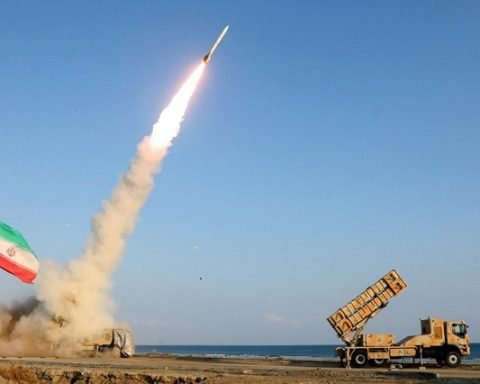
The snapback mechanism, invoked by the European parties to the JCPOA in coordination with the United States, reinstates all previously lifted UN sanctions on Iran, including restrictions on arms trade, ballistic missile programs, and nuclear activities. Iran has rejected the legitimacy of the move, arguing that the sanctions were terminated under UN Resolution 2231 and should remain null. The U.S. and EU3’s action comes after years of tension following America’s withdrawal from the JCPOA in 2018 and the subsequent reimposition of unilateral sanctions.
Analysts say Tehran’s dual approach of reaffirming nuclear restraint while strengthening regional and multilateral ties signals a commitment to diplomacy while preparing to manage the strategic and economic impacts of renewed sanctions. According to sources cited by the Washington Post, Iran views these measures as essential to preserving national sovereignty and regional stability in the face of external pressure.
The Iranian leadership continues to emphasize that negotiations remain the only viable solution to the nuclear dispute, rejecting military escalation and highlighting the country’s historical resilience and strategic patience in dealing with international challenges.