Iranian operatives have reportedly hijacked thousands of private security cameras across Israel, turning household surveillance devices into real-time intelligence tools — a move that has ignited public outrage and renewed fears over digital vulnerabilities in the midst of escalating warfare.
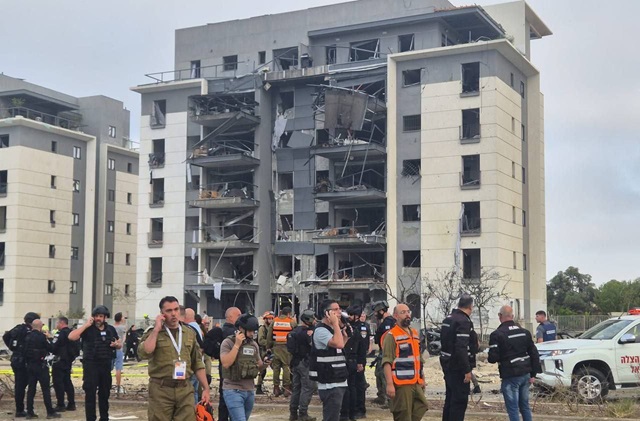
The revelations come just days after Iran launched a retaliatory missile barrage at Tel Aviv. In the aftermath, Israeli officials confirmed that Iran had been tapping into civilian-owned security cameras to track damage from the strikes and adjust future targeting. Refael Franco, former deputy head of Israel’s National Cyber Directorate, issued a blunt warning: “Turn off your home surveillance cameras or change your password immediately.”
“This is not just a cyber issue — it’s a national security crisis,” Franco, now CEO of cybersecurity firm Code Blue, told Israeli radio. “Iran is using our own eyes against us.”
The Israeli National Cyber Directorate corroborated that internet-connected cameras — many of them Chinese-made — have become a prime target in Iran’s intelligence-gathering arsenal. The agency warned that hostile actors are exploiting the widespread use of vulnerable, poorly secured surveillance systems to spy on everything from military movements to missile strike sites.
Bloomberg reports that this chilling tactic isn’t unprecedented. In October 2023, Hamas hacked into thousands of private and public cameras in southern Israel to surveil border communities ahead of its surprise attack, which left over 1,200 dead and 250 kidnapped. Former cyber chief Gaby Portnoy called the camera-based spying operation a “disaster.”
Russia has used similar methods in Ukraine, hacking traffic cams and municipal webcams to coordinate missile strikes. Ukraine has since banned public surveillance systems and warned against broadcasting footage online — a move cybersecurity experts now say Israel should consider.
The backlash among Israeli citizens has been swift. Social media platforms exploded with demands for tighter regulations and better cybersecurity awareness. “We’re under attack, and we handed them the tools to watch us do it,” one Tel Aviv resident posted after learning their street camera had been compromised.
The global surveillance market is booming — projected to reach $89 billion by 2030 — but this surge in consumer demand has left gaping holes in digital defense. A study by BitSight Technologies this month revealed that more than 40,000 security cameras worldwide, including 14,000 in the U.S., were streaming live footage on the open internet — often with default passwords like “1234.”
“These devices were never meant to become frontline intelligence assets in global conflict,” said Peleg Wasserman, a cybersecurity architect at a major energy firm. “But that’s exactly what they’ve become — because people don’t take security seriously.”
In 2022, Israeli authorities warned that over 66,000 cameras in the country were dangerously exposed. Many of those cameras are still vulnerable, despite recent government efforts to encourage two-factor authentication and legal permissions to shut down cameras near borders and military zones.
Since Israel’s strike on Iran’s nuclear infrastructure last week, cyber conflict between the two nations has surged. Israel has reportedly carried out attacks on Iranian banks and crypto exchanges, while Iran is doubling down on digital espionage.
Franco warned that even cameras placed in agricultural fields or apartment lobbies can become tools for enemy surveillance. “You try to protect your home, your family,” he said, “but if you don’t secure your system, you’re showing our enemies exactly where to strike.”