Across Iran, an atmosphere of fear is tightening as the government steps up measures to prevent another uprising during a period of wartime tension. According to reporting by Times UK, thousands of Iranians have received menacing text messages warning against posting online about the war or taking to the streets, while house-to-house searches, checkpoints, and preemptive arrests have become widespread. The implicit message is unmistakable: the state will act swiftly and ruthlessly against anyone suspected of sedition.
Since the US-Israeli bombing campaign began, the Iranian authorities have reportedly arrested or caused the disappearance of thousands of people, many accused of treason. On state television, Iran’s chief of police, Ahmad-Reza Radan, announced on Sunday that 500 individuals had been detained for allegedly sharing information with the enemy, while an additional ten people were arrested on Tuesday as “foreign spies,” though their nationalities were not disclosed. These announcements reflect the regime’s longstanding narrative that dissent is orchestrated by foreign powers, though human rights observers believe the true number of arrests is far higher.
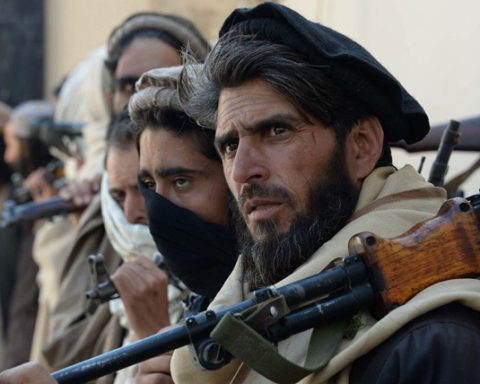
The state’s preemptive crackdown follows a period in January when mass protests were violently suppressed, resulting in widespread civilian casualties. Security forces are now deploying Basij paramilitary units and other irregular forces into residential areas, armed with machetes and knives to intimidate citizens. Checkpoints and mobile patrol units have been established across Tehran and its surrounding areas, with authorities stopping vehicles and inspecting phones for signs of dissent.
Individual cases illustrate the intensity of the crackdown. In Shiraz, Pezhman Zare, a member of the Baha’i faith, was arrested in his home by twelve intelligence agents, who reportedly ransacked the house and confiscated electronic devices, personal belongings, and religious books. Similar raids are being conducted nationwide as part of a broader strategy to maintain control over the population and prevent protests.
The government is also seeking to maintain an information blackout. Hundreds of Starlink communication devices have been confiscated to prevent the flow of news outside the country. On Monday, the personal data of 180,000 followers of Vahid Online, a Telegram channel run by a dissident journalist, were leaked; state media alleged the channel had ties to “foreign intelligence agencies,” though Vahid Online denied the claim. Basij units have also been deployed to sites struck by US and Israeli missiles to prevent civilians from taking photographs and videos.
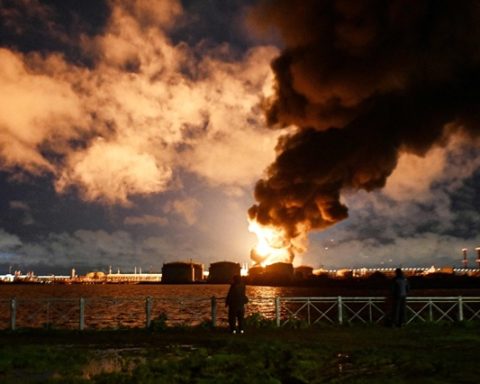
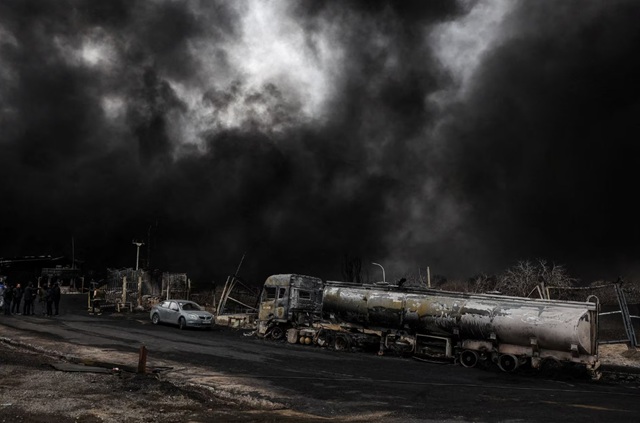
Military action has escalated alongside domestic repression. US and Israeli forces have increasingly targeted Basij and Islamic Revolutionary Guard Corps (IRGC) positions, with four checkpoints struck in Tehran on March 11, killing ten Basij militants. On Tuesday, Israel announced it had killed Gholamreza Soleimani, a senior Basij commander. In response, the regime has amplified street patrols and reinforced martial law, particularly in Tehran, turning the capital into what observers describe as a “garrison city.”
Kasra Aarabi, director of IRGC research at United Against Nuclear Iran, told Times UK that the impact on daily life is profound. Residents are reportedly limiting their grocery trips and minimizing time outdoors to avoid detection or confrontation. Unlike the January protests, where martial law was imposed after demonstrations began, current measures have been activated preemptively, aimed at quashing dissent before it can manifest.
Hossein Abedini, deputy director of the Paris-based National Council of Resistance of Iran, said the regime is focusing on potential threats from resistance networks, many of whose members have been arrested or killed in recent weeks. Over 2,000 council members have reportedly been targeted since the bombing campaign began, highlighting the scale of the government’s security operations.
Iran’s current wave of repression combines both modern surveillance and traditional intimidation tactics, from digital monitoring and hacked data to house raids and armed patrols. This multipronged strategy is designed to suppress protests and stifle civil unrest before it can challenge the regime’s authority. The result, analysts warn, is a capital city under siege, where ordinary life is constrained by fear and constant vigilance.
As Times UK reports, Tehran’s streets, once a site of mass mobilization, are now patrolled continuously by armed units, checkpoints, and paramilitary forces. Martial law, pervasive surveillance, and preemptive arrests have created an environment of near-total control, demonstrating the regime’s determination to prevent another uprising. For citizens, the message is clear: dissent, even in thought or online expression, may be met with swift and unforgiving consequences.