
We may be approaching the most important turning point in the war that began with the February 28 US-Israeli attack on Iran. Tehran, faced with relentless attacks, may adopt a new form of escalation to force an end to the war on terms that suit it: the systematic targeting of the desalination plants that supply much of the water used by the Persian Gulf monarchies and Israel.
Current Escalation Risks
Iran’s strike on the Dimona nuclear site and the nearby town of Arad this weekend will likely prompt Prime Minister Netanyahu to retaliate massively. Add to this the escalation risk posed by President Trump’s threat on Saturday to “obliterate” Iran’s power plants in hours if it did not permit unrestricted passage through the Strait of Hormuz within 48 hours.
Tehran will respond to a new escalation by Israel and the United States by stepping up its attacks on the Gulf monarchies—which serve as platforms for American strikes on Iran—and by making good on its threat to close the Bab el-Mandeb chokepoint connecting the Red Sea to the Gulf of Aden. That latter move would create a big problem for Saudi Arabia, which has been bypassing the Strait by sending oil through its overland pipeline to the Red Sea port of Yanbu.
Another escalation risk is that the Houthis–Tehran’s allies in Yemen, who have so far sat out the war–may begin to help Iran. Thanks to Yemen’s location, the Houthis are well placed to use their explosive-packed autonomous drone boats, sea mines, and anti-ship missiles to damage shipping, just as they did during the war in Gaza by attacking cargo shipsin the Red Sea carrying goods for Israel.
Iran said on Sunday that it will allow ships to transit the Strait provided they are not linked to its “enemies,” but if Trump and Netanyahu increase their attacks, Tehran may act on its threat to close the Strait completely, particularly if Trump–despite his claim that he has no plans to use ground troops–deploys Marines to seize Kharg Island, which handles 90 percent of Iranian oil exports.
Iran’s Next Escalation Option
If Iran continues to absorb punishment, it could decide to increase the pressure on its adversaries by attacking desalination plants in the Gulf states and Israel.
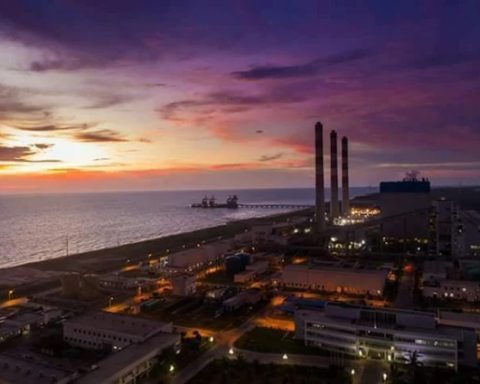
Water—along with air—is essential for human survival. Israel and the Gulf states depend heavily on desalination plants for potable water, and if these plants are destroyed or put out of commission for an extended time, these countries will face an emergency unlike any they’ve confronted before. On Sunday, Iran warned that it would strike these installations and even identified several as targets, including the Ras al-Khair facility in Saudi Arabia, which is the world’s largest and supplies water to 3.5 million people in Riyadh.
The Gulf states have depended on desalination—not just for drinking water but also for agricultural and industrial uses–since the 1950s, with their dependence increasing substantially during the ensuing decades on account of rapid economic growth and a population, which, including foreign workers, has doubled during the last two decades. Tens of billions of dollars in investment have created 400 desalination plants, which together account for nearly 42 percent of worldwide production. Desalination now provides an extraordinarily high proportion of the drinking water consumed in Persian Gulf countries: Kuwait (90 percent), Oman (86 percent), Saudi Arabia (70 percent), and the United Arab Emirates (40 percent). Water conservation hasn’t made much headway because of the moral hazard created by substantial state-provided subsidies.
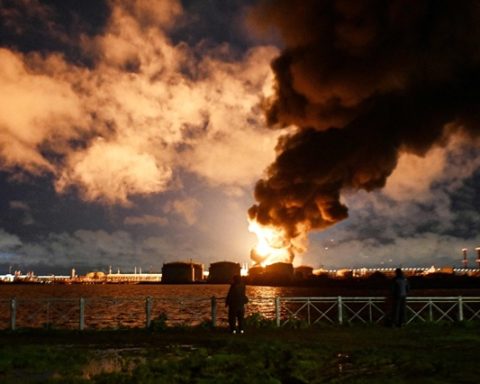
Desalination is energy intensive, especially given the high salinity of the Persian Gulf and the Arabian Sea. Although Gulf states have tried to rely more on renewable energy, that project remains a work in progress: fossil fuels still power 90 percent of the plants. Iran can therefore disrupt the Gulf monarchies’ water supplies not just by targeting their desalination plants directly but also by continuing to strike regional oil refineries. Moreover, because oil spills contaminate seawater, Iran could disrupt water supplies by hitting just a few of the oil tankers still stranded in the Persian Gulf.
Because of high population growth rates–there are twice as many Israelis now as in 1990–along with aridity, persistent groundwater shortages, and increasing affluence, Israel, too, relies heavily on desalinated water. Its five plants (two more are being built) account for 55 percent of its total water usage and as much as 80 percent of its drinking water. Iran gets only three percent of its potable water through desalination and therefore has no comparable vulnerability.
Can Trump Find an Exit?
None of this makes sustained Iranian attacks on the desalination plants of the Gulf states and Israel inevitable. Still, Tehran does have the option and capabilities to target them, as it demonstrated on March 8 with a drone strike on a plant in Bahrain. If Iran makes this choice, the United States, Israel, and the Gulf states will hit back.
The war will then keep escalating and become harder to stop. Mistrust among the warring states will grow, as will the fear that backing down will reduce their leverage in postwar negotiations. Their belief that hitting the adversary harder will force it to surrender will also harden. The result: more death and destruction and an increased risk that the war could spread further.
By any reasonable standard, Trump’s war has failed. He could tout the damage done to Iran, declare victory, and wind up his feckless campaign. Sometimes, he seems to favor that choice, even if the Strait remains closed. But his deep-seated fear of losing and looking weak has so far prevented him from abandoning a venture he should never have started. Perhaps he’ll have a change of heart if oil prices remain above $100 a barrel and Iran’s leaders not only refuse to surrender but also start using water as a weapon against Israel and the Gulf states.