After a decade of soaring property prices and rapid redevelopment, Milan’s real estate renaissance is now under a cloud of suspicion. A sweeping corruption investigation into the city’s property industry has implicated more than 70 individuals — including Milan’s mayor, prominent developers, and top city planners — threatening to shake confidence in one of Europe’s hottest real estate markets, according to Bloomberg, which obtained court documents and sources close to the investigation.
At the center of the probe is a widening inquiry into alleged misconduct in urban planning approvals, including accusations of bribes, improper influence, and conflicts of interest involving city officials and major private developers. Among those under scrutiny is Manfredi Catella, CEO of Coima Sgr, one of Italy’s largest real estate investment firms. Prosecutors said this week they are seeking to question and potentially arrest Catella and five others, including architects, city councilors, and other developers.
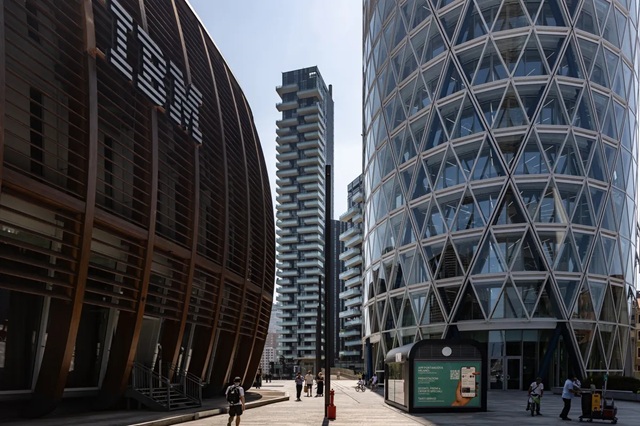
In a statement to Bloomberg, Catella confirmed there is an “ongoing investigation” concerning a Coima project assigned to an architect who previously served on Milan’s landscape commission. Authorities suspect the architect’s past role may have affected project approvals. Coima, known for the landmark Porta Nuova redevelopment backed by the Qatar Investment Authority, manages over €10.6 billion in assets.
The investigation has rattled institutional investors who have poured capital into Milan’s real estate surge. U.S.-based firms such as Blackstone Inc. and Amundi SA have acquired top-tier office properties as demand and rents climbed. But the latest developments are prompting some international funds to pause activity.
“The demand is there — Milan’s job market is attractive, and wealthy foreigners are moving in because of low taxes,” said Jacky Hallac, a broker at Glorious Crew, speaking to Bloomberg. “But international funds want clarity. Some have put their investments on hold.”
The boom that transformed Milan’s former industrial districts into luxury homes and gleaming towers was supercharged by tax incentives — including Italy’s 2017 flat tax for high-net-worth individuals. The city has since attracted thousands of foreign buyers and returning Italians, especially after the UK scrapped its non-domiciled tax status, sending capital flowing into Milan’s property market.
Real estate prices reflect the frenzy. According to Immobiliare.it, the average cost of a residential property in Milan hit €5,532 per square meter by the end of June — up 52.5% since 2016. In contrast, prices in Rome edged up just 3.4% to €3,607 per square meter during the same period.
Commercial real estate also flourished. Prime office yields dropped to 2.9% by early 2022, driven by strong tenant demand and limited supply — placing Milan’s offices on par with Paris in terms of valuation multiples, Savills Plc data show. Despite a 30% correction driven by rising interest rates, Milan has fared better than other European markets like Berlin and Amsterdam.
But the same factors that powered Milan’s boom are now drawing prosecutorial scrutiny. Authorities have already placed a city official under house arrest and are investigating whether developers paid unauthorized fees to city consultants to secure favorable zoning and expansion approvals.
Firms under investigation include Kryalos Sgr, part-owned by Blackstone, and Castello Sgr, acquired in 2023 by Anima Holding SpA with a minority stake held by Oaktree Capital Management. In a statement to Bloomberg, Castello insisted it has “always acted with the utmost professionalism and integrity” and pledged full cooperation.
Milan Mayor Giuseppe Sala is not among those facing arrest, but his inclusion in the probe has added political fuel to the fire. The 67-year-old mayor, who leads a center-left coalition, has denied all allegations in an interview with Corriere della Sera. A city council spokesperson declined to comment.
National attention is mounting ahead of Milan’s next municipal election, expected in 2027. While opposition parties demand Sala’s resignation, Prime Minister Giorgia Meloni offered a more cautious stance in a RaiUno interview, stating, “I have never been convinced that receiving a notice of investigation should automatically lead to resignation.”
With Milan poised to co-host the Winter Olympics in February, the corruption investigation arrives at a critical juncture — potentially stalling the momentum of a city that has rebranded itself as a global magnet for capital and innovation.