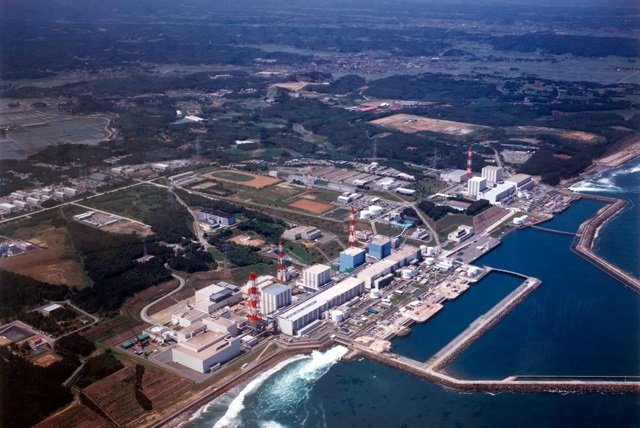
Japan’s government has set targets to replace up to five nuclear reactors by the 2040s and as many as 14 by the 2050s, marking a significant step towards a greater reliance on nuclear power more than a decade after the Fukushima No. 1 disaster.
The targets were included in revisions to Japan’s nuclear energy policy guidelines adopted in July. It was the first time since the triple meltdown at Tokyo Electric Power Company’s Fukushima No. 1 nuclear power plant in March 2011 that the government had established specific numerical targets for replacing reactors.
The government also reaffirmed its policy of making “maximum use” of nuclear power, arguing that the sector can support energy security and decarbonisation while encouraging investment and the development of skilled personnel.
The policy shift has been welcomed by the nuclear industry. After the Ministry of Economy, Trade and Industry released draft revisions in June, Nozomu Mori, chairman of the Federation of Electric Power Companies of Japan and president of Kansai Electric Power, described the move as a significant signal of the government’s intentions.
“This sends a powerful message that Japan will continue to utilize nuclear power in the future,” Mori told a news conference. “An extremely important step has been taken.”
The previous guidelines, adopted in 2023, effectively extended the maximum operating life of nuclear reactors beyond the standard 60-year limit and called for maximum use of existing facilities. The latest revision goes further by establishing a more proactive framework for replacing reactors that reach the end of their operating lives.
Kansai Electric has already begun geological surveys in preparation for the possible construction of a new reactor at its Mihama nuclear power plant in Fukui Prefecture. Another proposal involves building a reactor at Kyushu Electric Power’s Sendai nuclear power plant in Kagoshima Prefecture while decommissioning reactors at the utility’s Genkai nuclear power plant in Saga Prefecture.
Rising electricity demand is adding pressure to the government’s plans. The construction of data centres and semiconductor plants is expected to sharply increase demand, with Tokyo viewing nuclear power alongside renewable energy as a key source of decarbonised electricity.
Under the Strategic Energy Plan approved by the Cabinet in 2025, Japan aims for nuclear power to account for around 20% of electricity generation in fiscal 2040. The revised guidelines estimate that nuclear generating capacity could fall 5.5 million kilowatts short of the level required to meet that target by the 2040s, with the shortfall potentially reaching 16 million kilowatts by the 2050s.
The government hopes that setting replacement targets will encourage large-scale investment and help rebuild the skilled workforce needed by the industry. Employment interest in the nuclear sector has declined since the Fukushima accident, while nuclear projects typically take about 20 years from construction to operation and can cost trillions of yen.
To support investment, the government secured passage of a revised electricity business law in July, allowing public financing for reactor replacement projects. Ministers also agreed to provide funding through the New Energy and Industrial Technology Development Organization and prepare a workforce-development road map.
“We will make maximum use of nuclear power, which contributes to energy security and decarbonization,” Prime Minister Sanae Takaichi said.
Yet the expansion plans face a longstanding obstacle: spent nuclear fuel. Japan’s nuclear fuel cycle policy, which envisages reprocessing and reusing spent fuel, remains stalled, with completion of the key reprocessing plant in Rokkasho, Aomori Prefecture, repeatedly postponed.
A final disposal site for the high-level radioactive waste generated through reprocessing has also not been selected. A first-stage survey has begun on Minamitorishima, administered by the Tokyo village of Ogasawara, but Ogasawara is only the fourth municipality nationwide to accept such a survey. In late August, the industry ministry asked Hitachiomiya, in Ibaraki Prefecture, to accept another first-stage survey.
With no clear prospect of significantly expanding the number of candidate sites, local government officials have raised concerns. One asked: “Is it really appropriate to allow discussions on reactor construction alone to continue moving forward?”