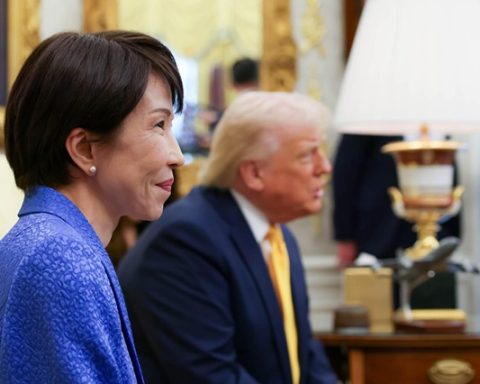
Japan’s historic decision to elevate Sanae Takaichi as the country’s first female prime minister has ignited political shockwaves, with ruling coalition partner Komeito now questioning its future alongside the Liberal Democratic Party (LDP).
As reported by Nikkei, Takaichi’s election as LDP leader — and her imminent confirmation as prime minister — has deepened divisions within Komeito and its parent group, Soka Gakkai, both alarmed by her hardline conservative stance. Her visits to the war-linked Yasukuni Shrine, openness to appointing scandal-tainted lawmakers, and promises to tighten immigration rules have unsettled Komeito’s traditionally moderate, pacifist base.
“Our supporters are deeply uneasy and worried,” said Komeito chief Tetsuo Saito, warning that “there is no coalition if we cannot address those concerns.” The party is holding an emergency executive meeting before meeting Takaichi and LDP leaders this week — an unusual move that underscores the strain in a partnership that has long anchored Japan’s government.
Among Komeito’s key demands are cleaner political funding practices, restraint on nationalist symbolism, and protection of foreign residents’ rights. The party fears that Takaichi’s policies could jeopardize Japan’s fragile ties with China and South Korea, especially if she visits Yasukuni as prime minister.
Behind the scenes, powerful LDP figure Taro Aso is maneuvering to expand the ruling bloc by courting the Democratic Party for the People (DPFP) — a centrist party that may replace Komeito as a more compliant partner. Aso and DPFP Secretary-General Kazuya Shimba have already met in Tokyo to discuss potential cooperation, including economic reforms and tax changes.
According to Nikkei, the situation is fluid. Normally, coalition renewal talks happen swiftly after an LDP leadership election. This time, however, a Komeito executive described the upcoming meeting with the LDP as merely “introductory,” adding, “I don’t think we’ll have an agreement.”
If tensions persist, the extraordinary parliamentary session set for October 15 — when Takaichi is expected to be formally voted in — could be delayed.
While Takaichi’s ascent represents a historic breakthrough for Japanese women in politics, her uncompromising conservatism has shaken the foundations of Japan’s ruling coalition, leaving open the question of whether the LDP and Komeito can still coexist under her leadership — or if the era of pragmatic cooperation in Japanese politics is about to end.