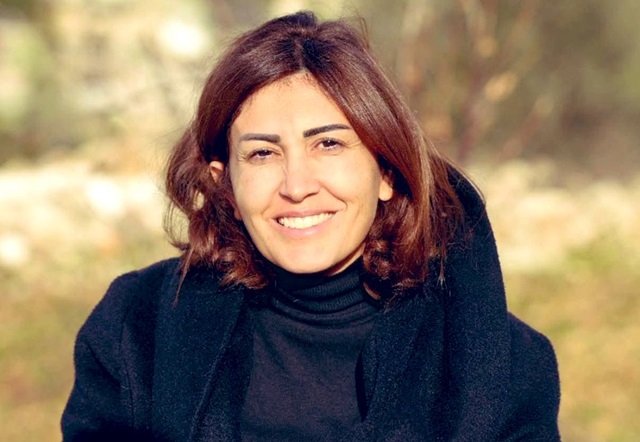
Lebanon has accused Israel of committing war crimes after a Lebanese journalist was killed in an Israeli strike on southern Lebanon, escalating tensions over repeated incidents involving media workers in the conflict zone. The victim, Amal Khalil, a reporter for the Lebanese newspaper Al-Akhbar, was killed on Wednesday when a house in the village of al-Tiri was struck after she had taken shelter there following an earlier attack on the vehicle she was traveling in. Her colleague Zeinab Faraj was seriously wounded in the same incident.
According to rescuers, efforts to recover Khalil’s body were delayed for hours because continued Israeli fire prevented emergency teams from safely accessing the site. Lebanese officials said the conditions under which the recovery operation took place further underscored what they described as a disregard for civilian protection and international norms governing conflict zones.
Lebanese Prime Minister Nawaf Salam condemned the killing, stating that the pattern of strikes on journalists could no longer be dismissed as isolated incidents. He argued that targeting media workers, obstructing rescue operations, and striking locations again after emergency teams arrive meet the definition of war crimes under international law. He added that Lebanon would pursue legal action through international forums to hold those responsible accountable.
Lebanese Information Minister Paul Morcos also described the attack as a clear violation of international humanitarian law, emphasizing that journalists should be protected even in active conflict zones. The strike occurred despite a ceasefire framework that remains formally in place, although Israeli forces continue to operate in parts of southern Lebanon and maintain a widened security presence in the area.
The Israel Defense Forces denied deliberately targeting journalists and said the incident is under review. Israeli authorities claimed that individuals in the area had crossed a designated security line and posed what they described as an imminent threat to troops operating in the occupied zone.
The latest killing adds to a growing list of media casualties in Lebanon since the escalation of cross-border violence. In late March, multiple journalists were killed in separate strikes in the south, including correspondents and video journalists working for regional media outlets. Israeli officials have in some cases alleged militant affiliations among those killed, though they have not always provided supporting evidence.
Additional incidents have also injured or killed media personnel during field reporting, including international correspondents who reported being struck while clearly marked as press. Journalists and press freedom advocates have increasingly warned that reporting conditions in southern Lebanon have become among the most dangerous in the region.
According to Lebanese authorities and international reporting, the number of journalists killed in Lebanon this year has now reached at least nine. Civilian casualties overall have also risen sharply since the escalation began, with Lebanese officials reporting thousands of deaths, including women and children, as hostilities continue amid broader regional tensions linked to the conflict involving Israel, Hezbollah, and wider geopolitical dynamics in the Middle East.