Despite intense Israeli bombing campaigns and urgent evacuation warnings, millions of residents in Iran’s capital, Tehran, are steadfastly refusing to leave their homes, according to a detailed report from the Financial Times.
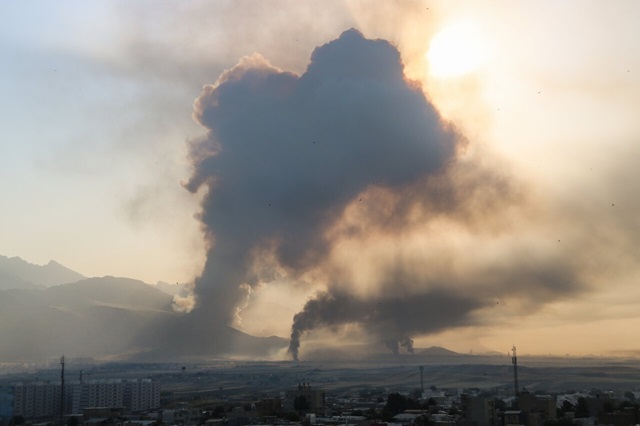
Since Israel launched strikes targeting key sites within Iran last Friday, including areas near affluent neighborhoods, the city of 10 million has witnessed chaotic scenes of people attempting to flee. However, many, like 80-year-old Mahin, have chosen to stay put. “Where shall I go? I feel more comfortable at home,” she told the Financial Times, describing how a nearby blast shook her deeply but did not deter her resolve.
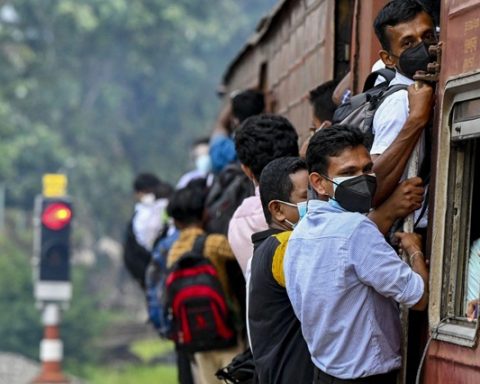
Roads out of Tehran have been clogged with traffic as waves of residents respond to Israeli orders to evacuate certain districts, as well as calls from US President Donald Trump urging “everyone” to leave immediately. Although the US is not yet militarily involved, Trump is reportedly considering joining Israeli operations.
Yet a significant portion of Tehran’s population remains, seeking shelter in makeshift bomb shelters or even watching nightly explosions from rooftops, as the city slows to a near-holiday quiet but maintains essential services such as grocery stores, banks, and hospitals.
Israel’s strikes have, according to Iran’s health ministry, caused nearly 1,500 casualties. Despite the danger, many Iranians are choosing solidarity over flight. “Trump and Netanyahu say ‘evacuate’ as if they care about our health. How can a city of 10 million evacuate? Let them kill us,” said Shirin, a private sector employee, reflecting widespread defiance.
Fuel shortages, long queues at petrol stations, and disrupted food supplies further complicate evacuation efforts, with many citizens fearing the risks of leaving more than the threat of the strikes themselves.
The strikes, targeting senior Iranian commanders often living among civilian populations, have resulted in significant collateral damage to residential buildings and neighborhoods. This intermingling of military and civilian life heightens the civilian risk, a pattern also observed in Israeli strikes on Hezbollah targets in Lebanon.
Iran’s health minister has appealed to international bodies to intervene, warning of over 1,400 casualties and raising concerns about potential radiation risks from attacks on nuclear facilities. While localized radioactivity has been detected at the Natanz uranium enrichment site, officials say no severe damage has occurred.
Nationalist sentiment is being heavily emphasized within Tehran as the government seeks to unify the population. A giant banner of Arash the Archer, a Persian folk hero symbolizing sacrifice, has been erected in Vanak Square, reinforcing calls for unity. Supreme Leader Ayatollah Ali Khamenei praised the “calm, courageous” behavior of Iranians in the face of “foolish and malicious aggression by the Zionist enemy,” viewing it as a sign of national strength.
Meanwhile, concerns grow over the possibility of US military involvement, with Vice President JD Vance and President Trump making increasingly hardline statements demanding Iran’s “unconditional surrender.”
The Financial Times report underscores that many view the evacuation orders as psychological warfare aimed at undermining Iranian morale, with numerous residents openly rejecting the idea of abandoning their city.
As one housewife poignantly posted on Instagram, “When a forest is on fire, only animals flee. Trees have their roots in the land.”