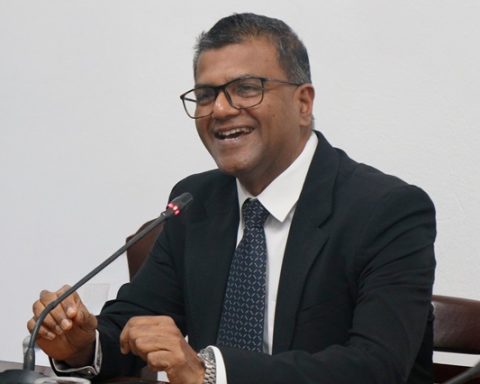
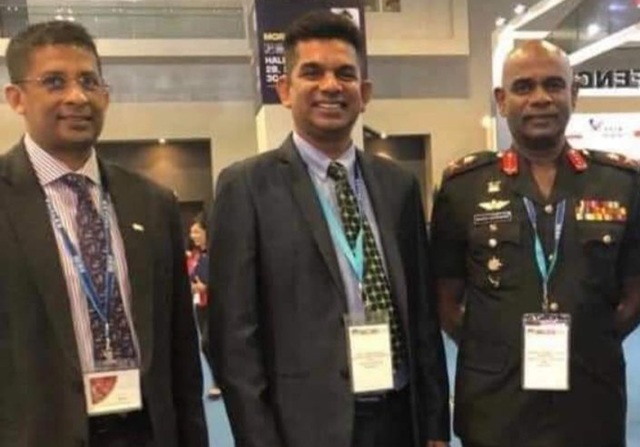
During my tenure as a pilot with Malaysia Airlines, I had the opportunity to meet Major General Suresh Sallay, a figure who left a lasting impression on me both professionally and personally. Our interactions took place at embassy functions to which he graciously invited me, and it soon became evident that he was a courteous, highly educated, and disciplined officer. In time, I came to appreciate the esteem in which he was held among Malaysian security personnel, not merely because of his rank, but owing to his professionalism and integrity. Reports indicate that he played a significant role in operations against the LTTE, notably contributing to the return of their leader, KP, to Sri Lanka. As a former Sri Lanka Air Force pilot, I have witnessed at first hand the complexities of national security and the dedication required to safeguard a nation. It is in this context that I find the political attacks directed at Sallay troubling, as they risk undermining the morale of those entrusted with protecting national interests.
My concern for professional respect in matters of national security arises from a belief that government action must balance accountability with due process. While oversight of intelligence and military personnel is indispensable in a democracy, such scrutiny should never descend into personal attacks that endanger both institutional credibility and operational effectiveness. Sallay’s career, as I observed it, reflects commitment and discipline—qualities essential to the maintenance of public safety. The erosion of confidence in leadership through politicised criticism can demoralise those serving in high-risk roles, ultimately affecting national and public security. It is my hope that discussion of these matters will remain grounded in fact, restraint, and proportion.
This commitment to accuracy also informs my reflections on public discourse surrounding the Janatha Vimukthi Peramuna (JVP), a group whose history of violence against civilians and military personnel cannot be disregarded. From my own experience, I retain vivid memories of that brutality. At the age of fourteen, I was held hostage by its members—an episode that left an indelible mark on my understanding of law, order, and justice. Today, some who were involved in such acts present themselves as guardians of legality and public welfare. This paradox evokes in me a mixture of sorrow, irony, and disbelief, recalling the moral ambiguities portrayed in the 2014 film The Imitation Game. It serves as a reminder that historical context and personal experience must inform our assessment of claims to legitimacy, authority, and accountability.
Some may wonder why I was invited to Sri Lankan embassy functions in Malaysia. The explanation lies in a professional circumstance that called for both linguistic ability and humanitarian initiative. One morning, at around four o’clock, Malaysian airport police contacted me following the death of a passenger on an inbound Sri Lankan flight to Melbourne that had landed at Kuala Lumpur International Airport. They required someone fluent in Sinhala to clarify the situation and assist in arranging the repatriation of the deceased to Sri Lanka. At that time, the embassy lacked the necessary resources, and I therefore met the expenses personally. This act of responsibility and compassion was later acknowledged through invitations to official embassy dinners and events, bringing me into contact with officers who would go on to demonstrate exemplary professionalism and dedication to service.
Reflecting on these experiences highlights the meeting point between personal initiative and institutional duty. In matters of national security and diplomatic engagement alike, professionalism, ethical conduct, and fidelity to due process are indispensable. Individuals such as Major General Sallay embody these principles, and public discussion of their work ought to be conducted with care and discernment. Reckless politicisation of operational decisions, whether in intelligence or security, risks not only undermining individuals but also weakening confidence in the institutions established to protect society.